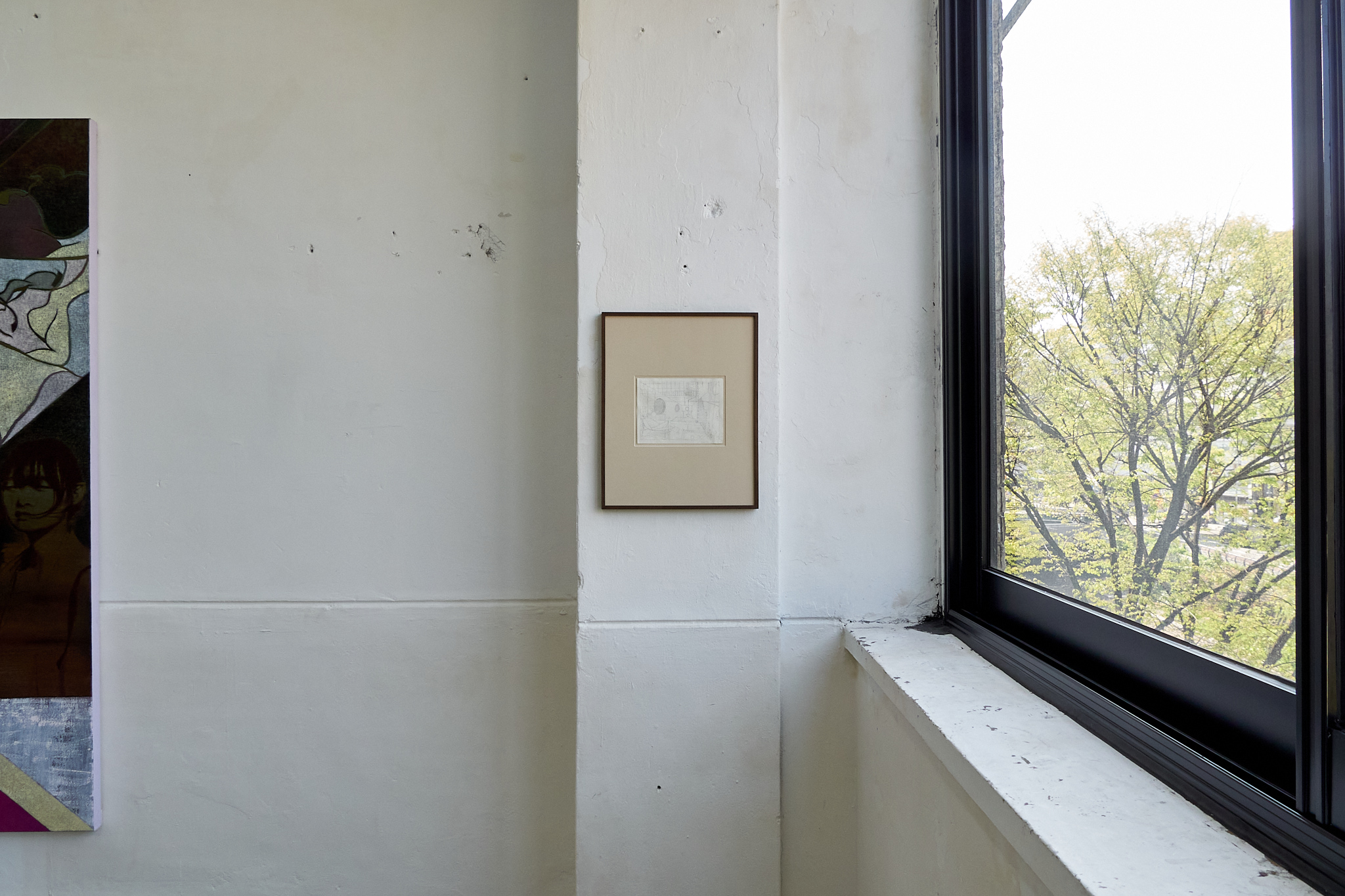
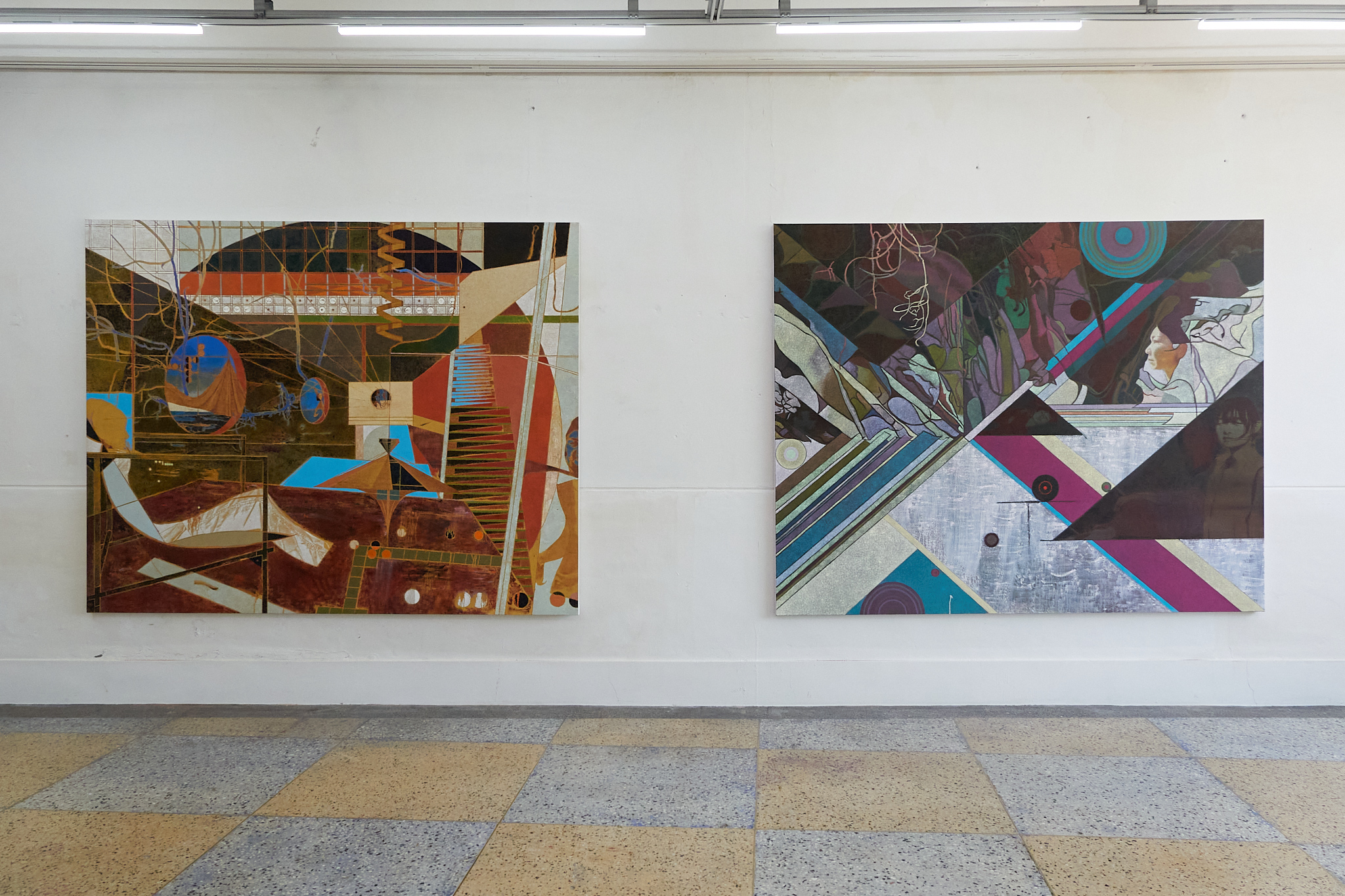
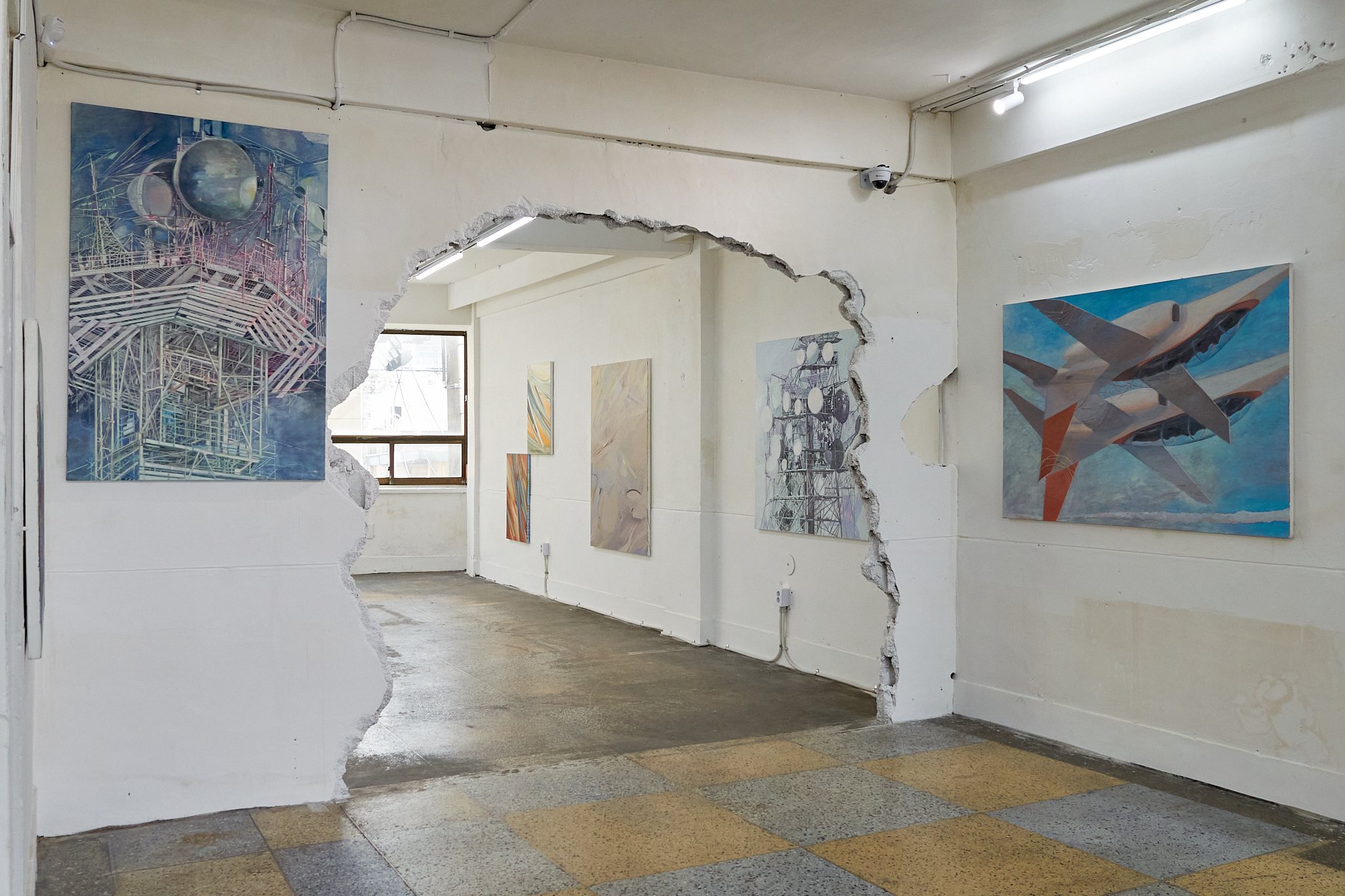
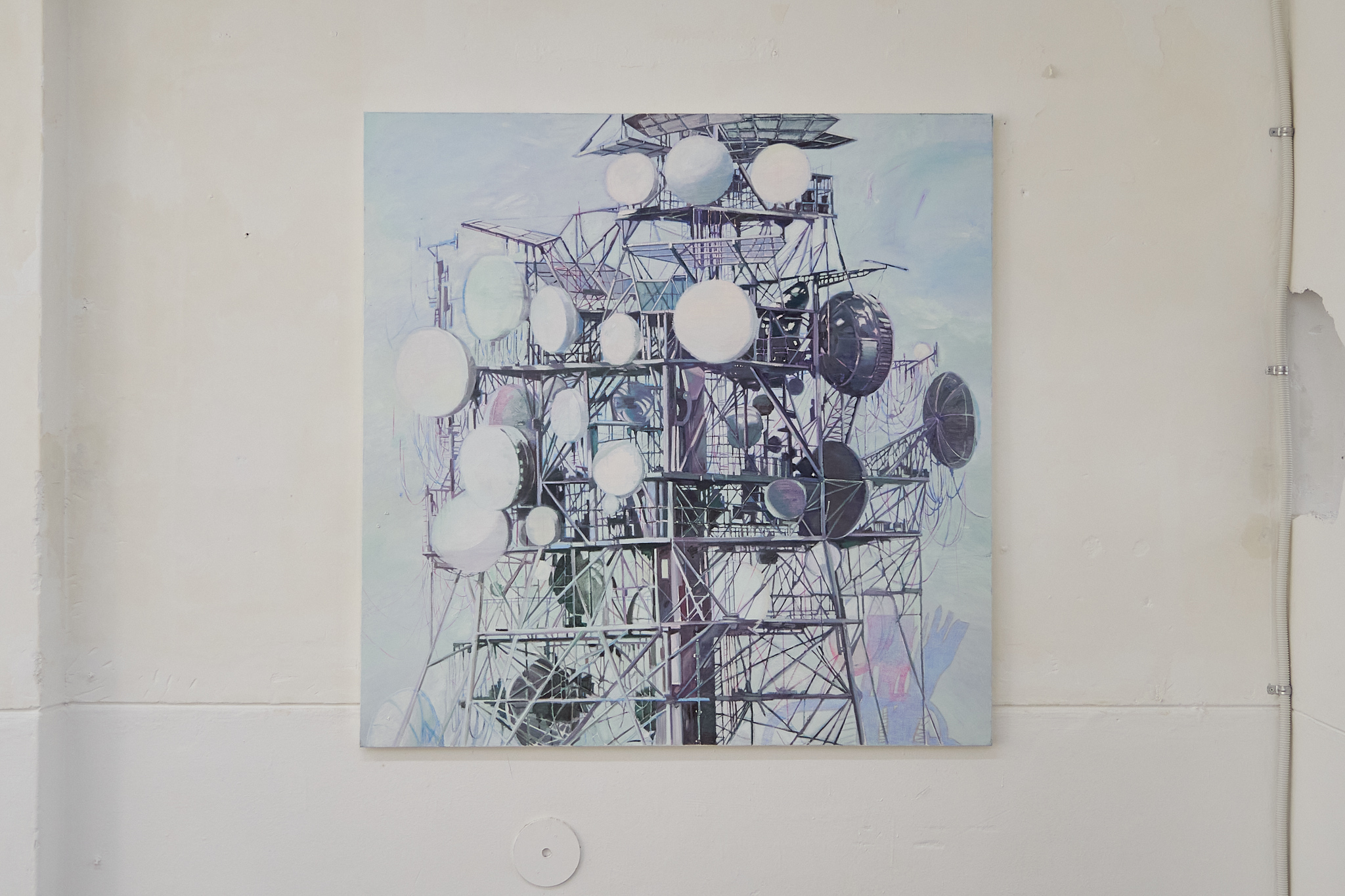
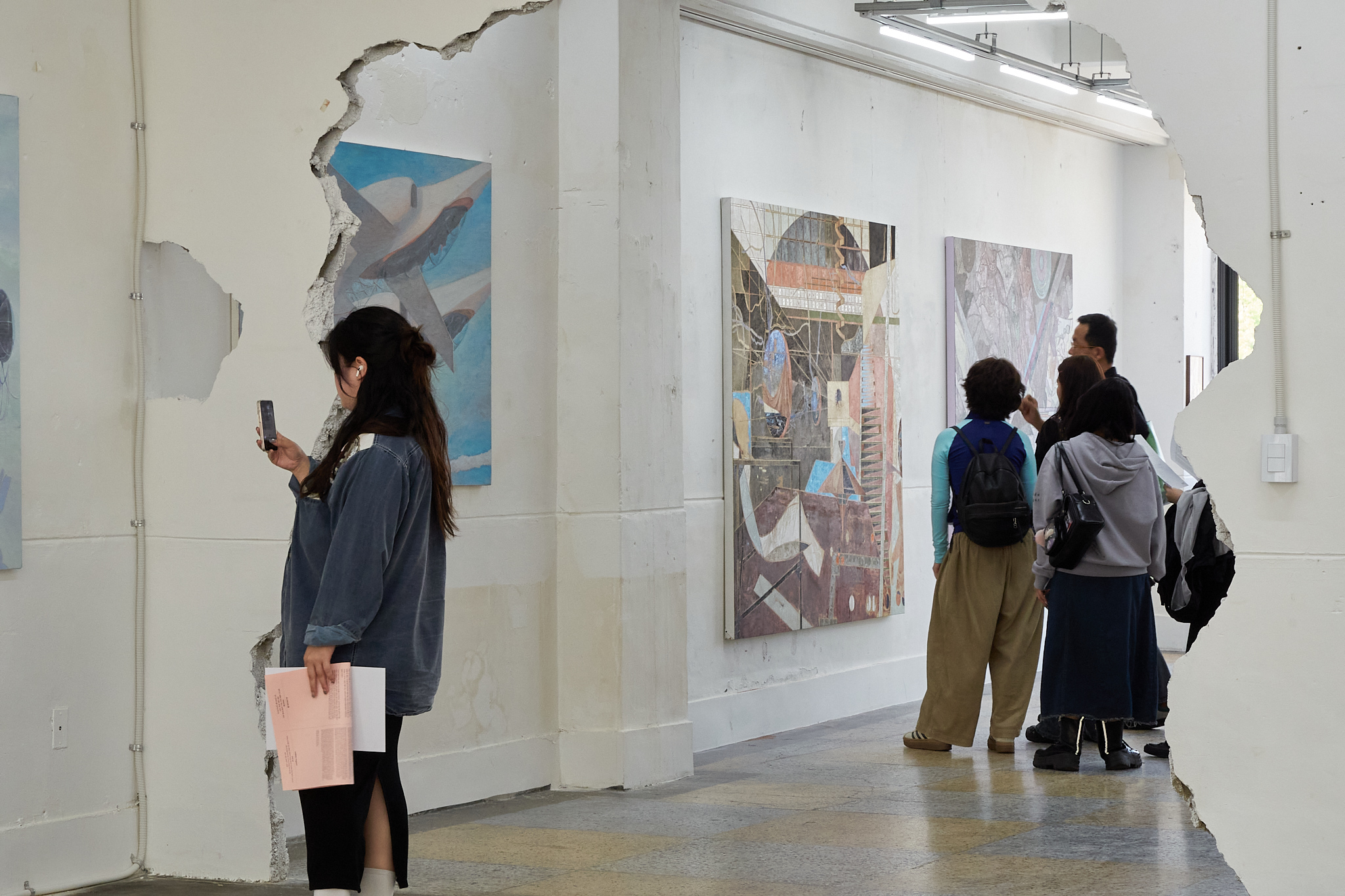
At a moment when frictionless digital interfaces dominate our visual experience, painting paradoxically offers a way out of perspective’s old virtual order. The collapse of the vanishing point is not merely a geometric shift; it signals the dismantling of the modern visual regime. In place of the surface disguised as a transparent window, painting again reveals the plane itself—brushstrokes and pigment densely entangled today. The internet age has reconfigured the relationships between painter, painting, capital, and ownership, making newly visible the tension between forces that fix painting as exchangeable commodity and the material practices that resist them.
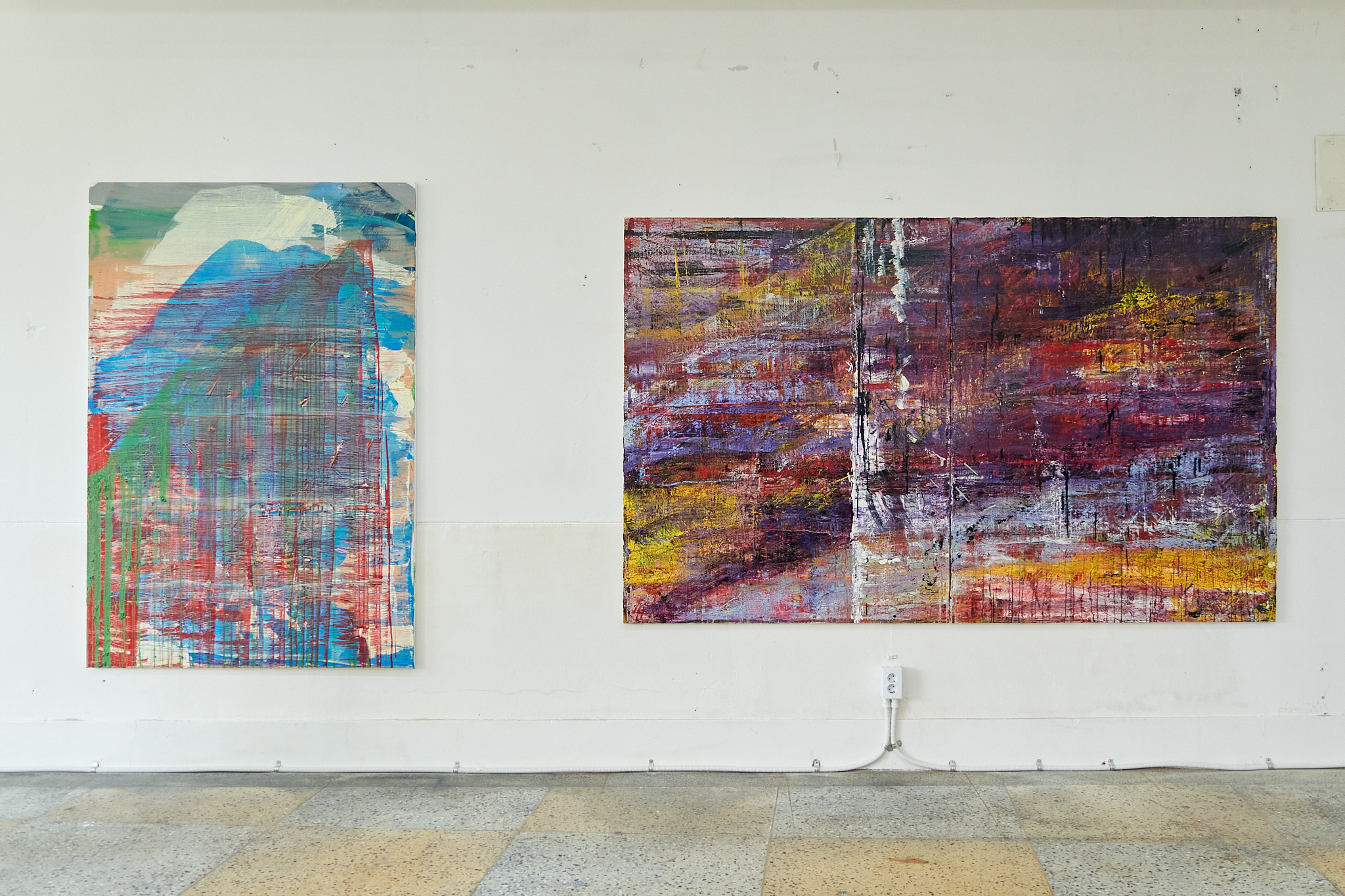
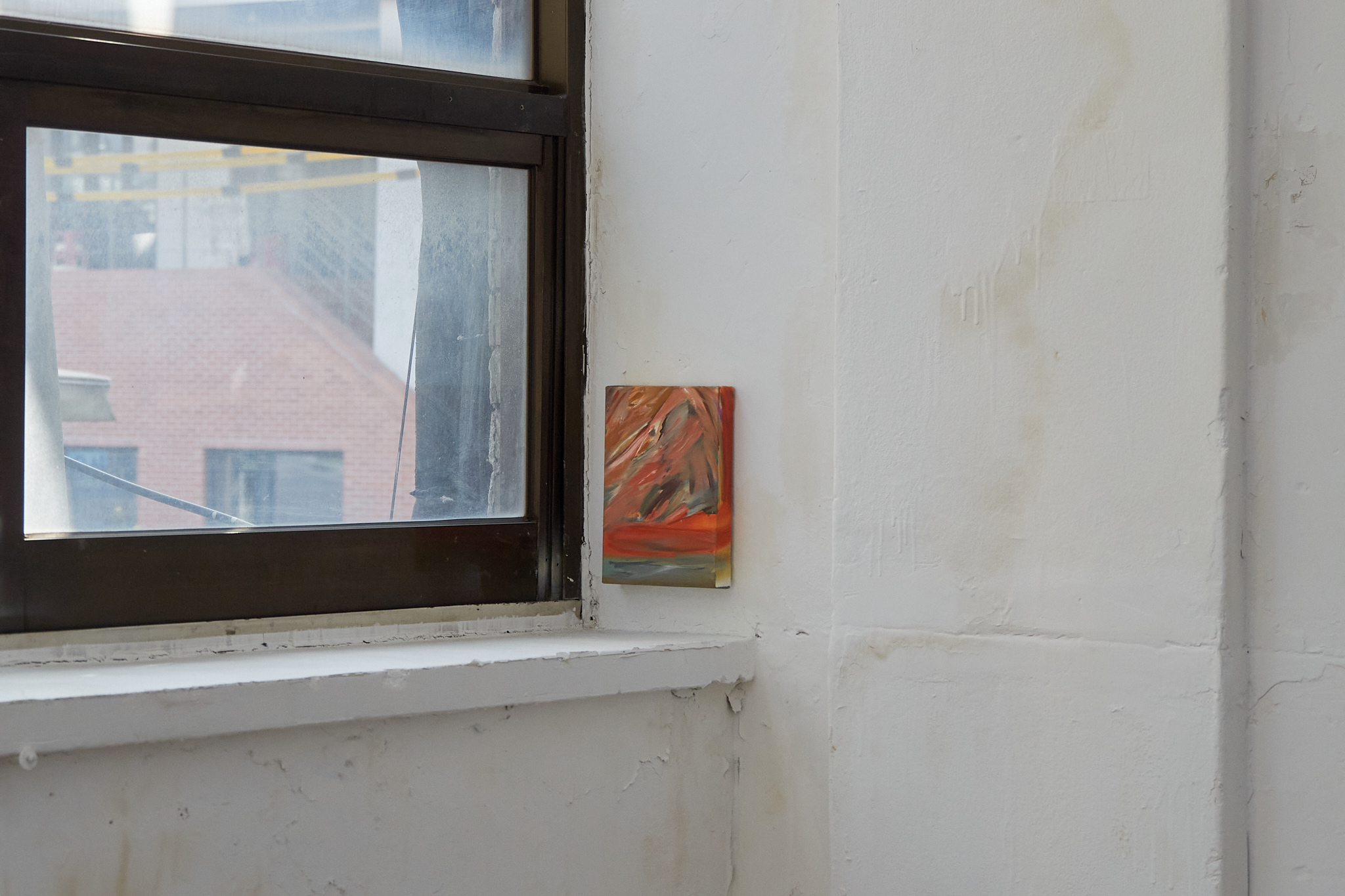
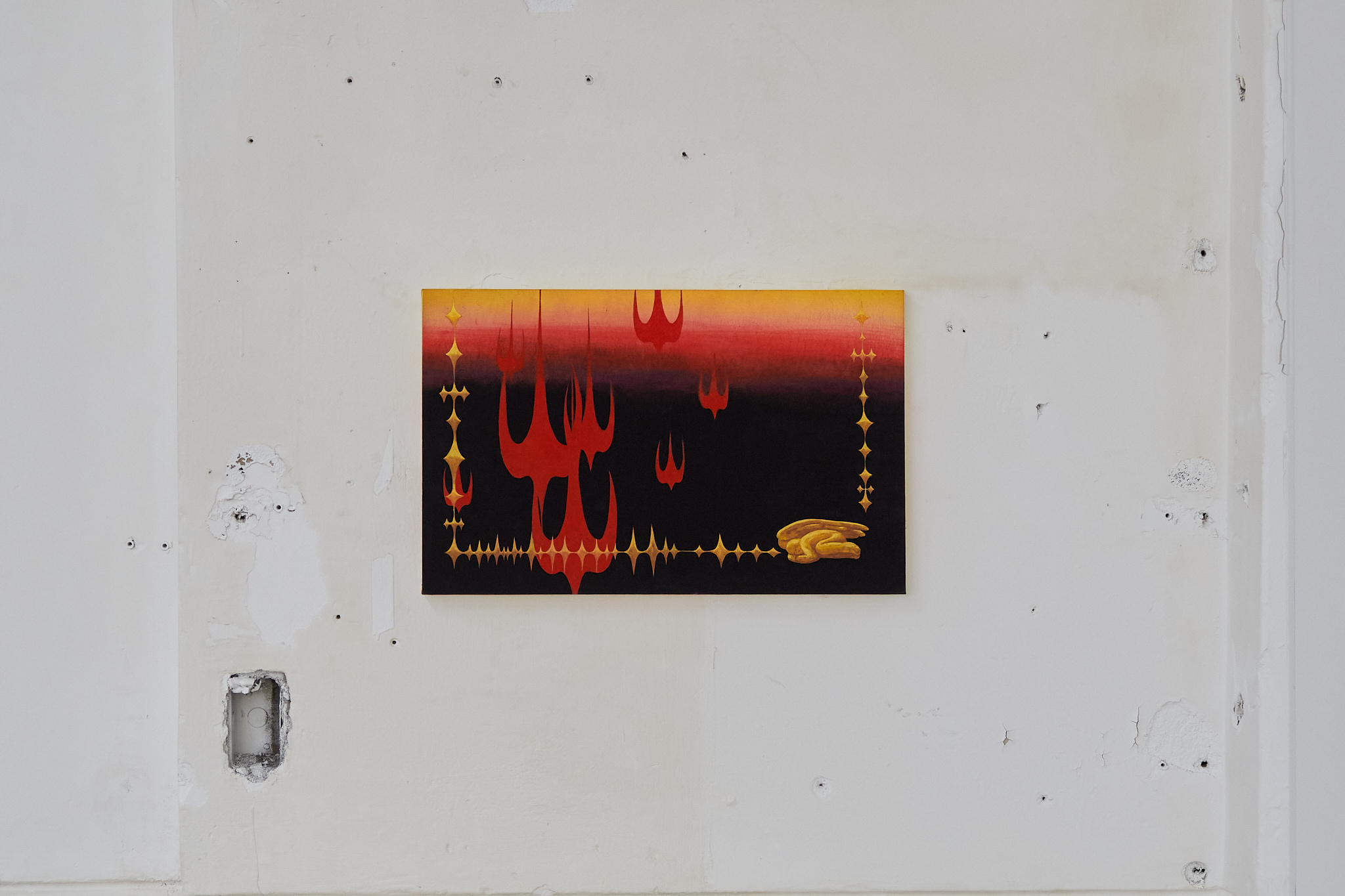
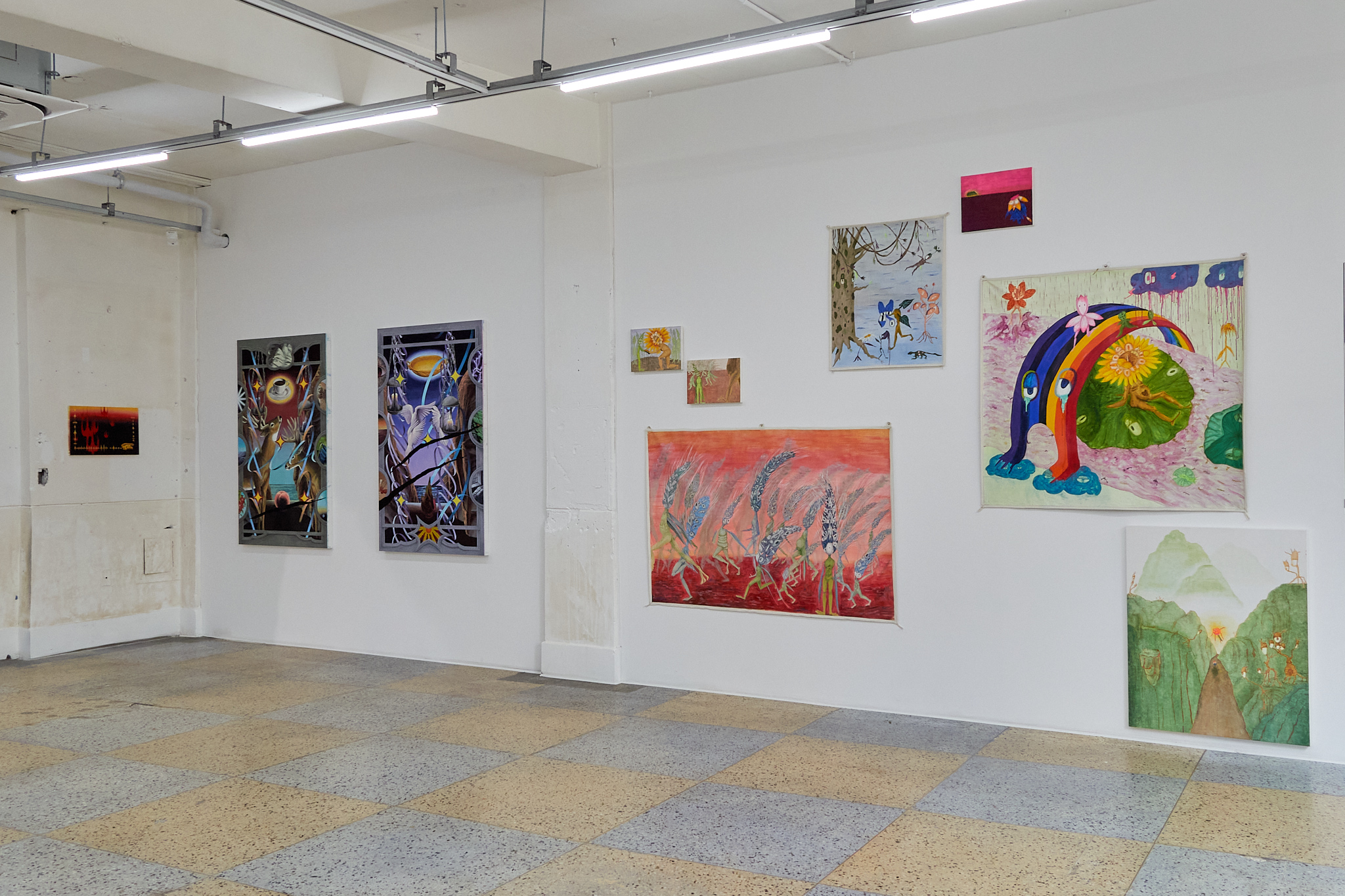
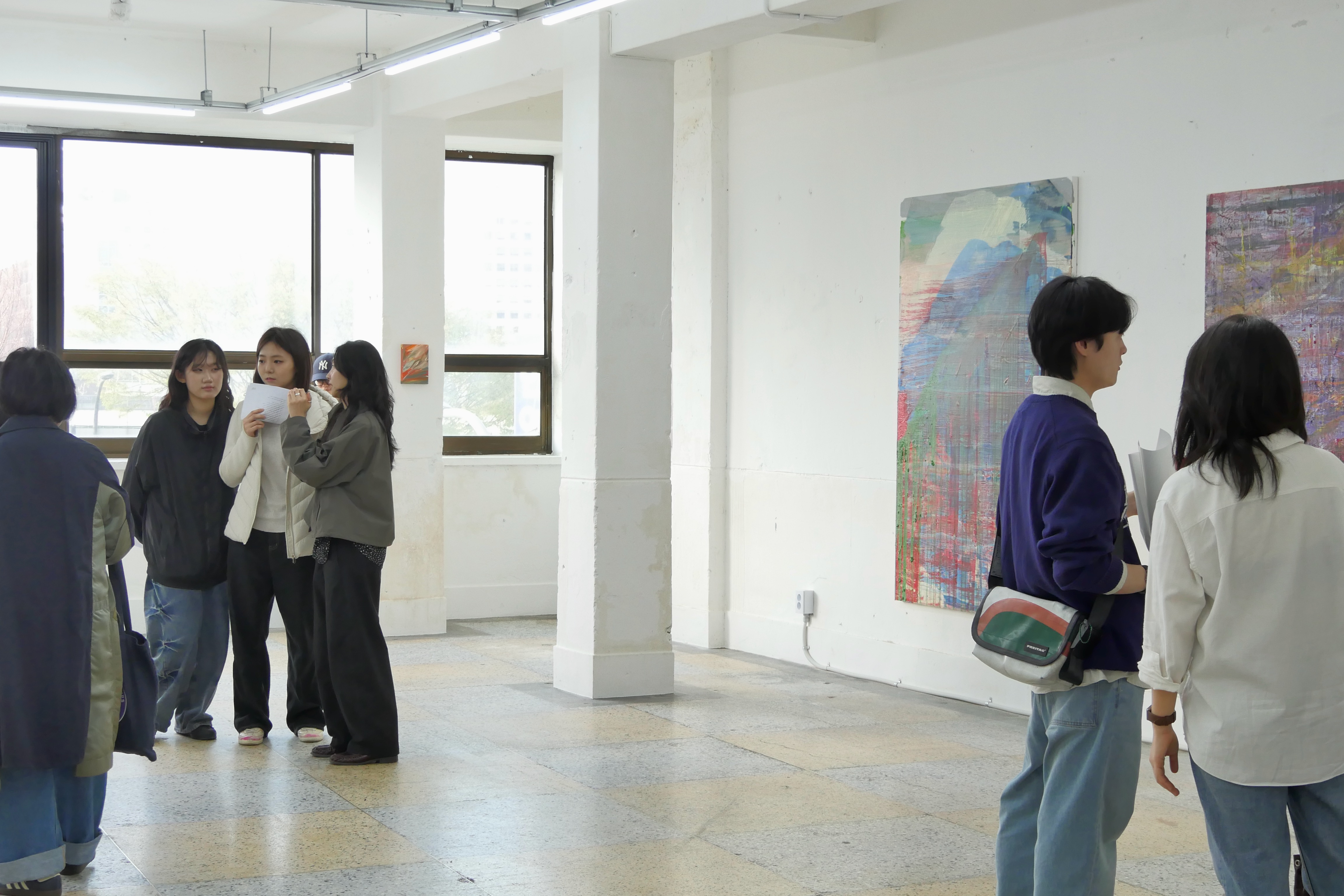
The six artists in Painting in Spring explore, in different ways, the durational temporality of painting and the bodily traces it retains amid a pixelated world of real-time edits and the incessant circulation of images. After paint dries, another layer is added; brushstrokes build over time. Kang Jonggil inscribes the oscillations of gugak vocality into painterly marks, leaving rough traces of the bodily struggle to grasp dissipating sound. Kang’s brushwork materializes the sigimsae—the melodic ornamentation and stylized vocal techniques of gugak—on the canvas. The momentary vibration settles not as perspectival representation, but as a painterly event.
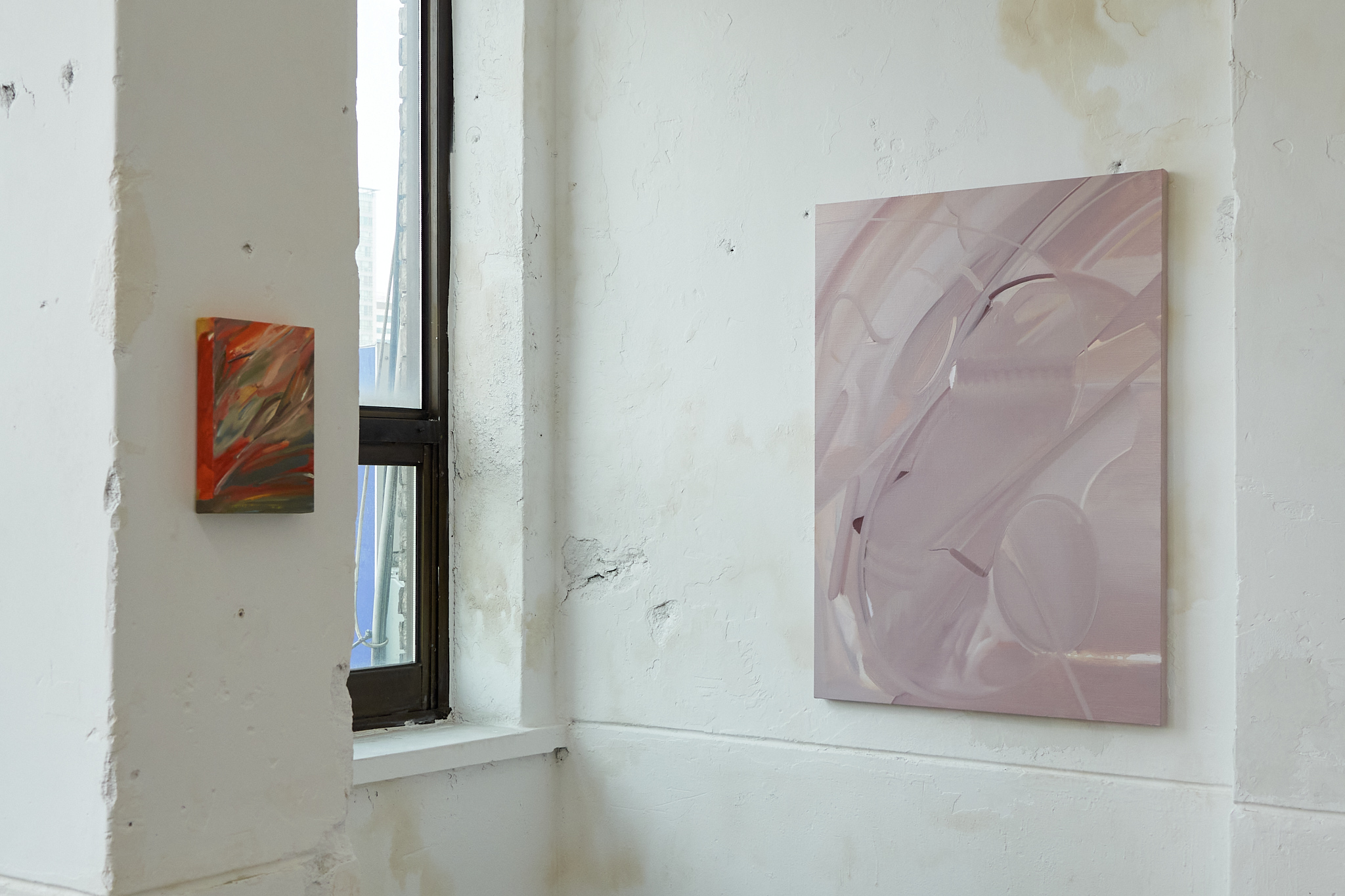
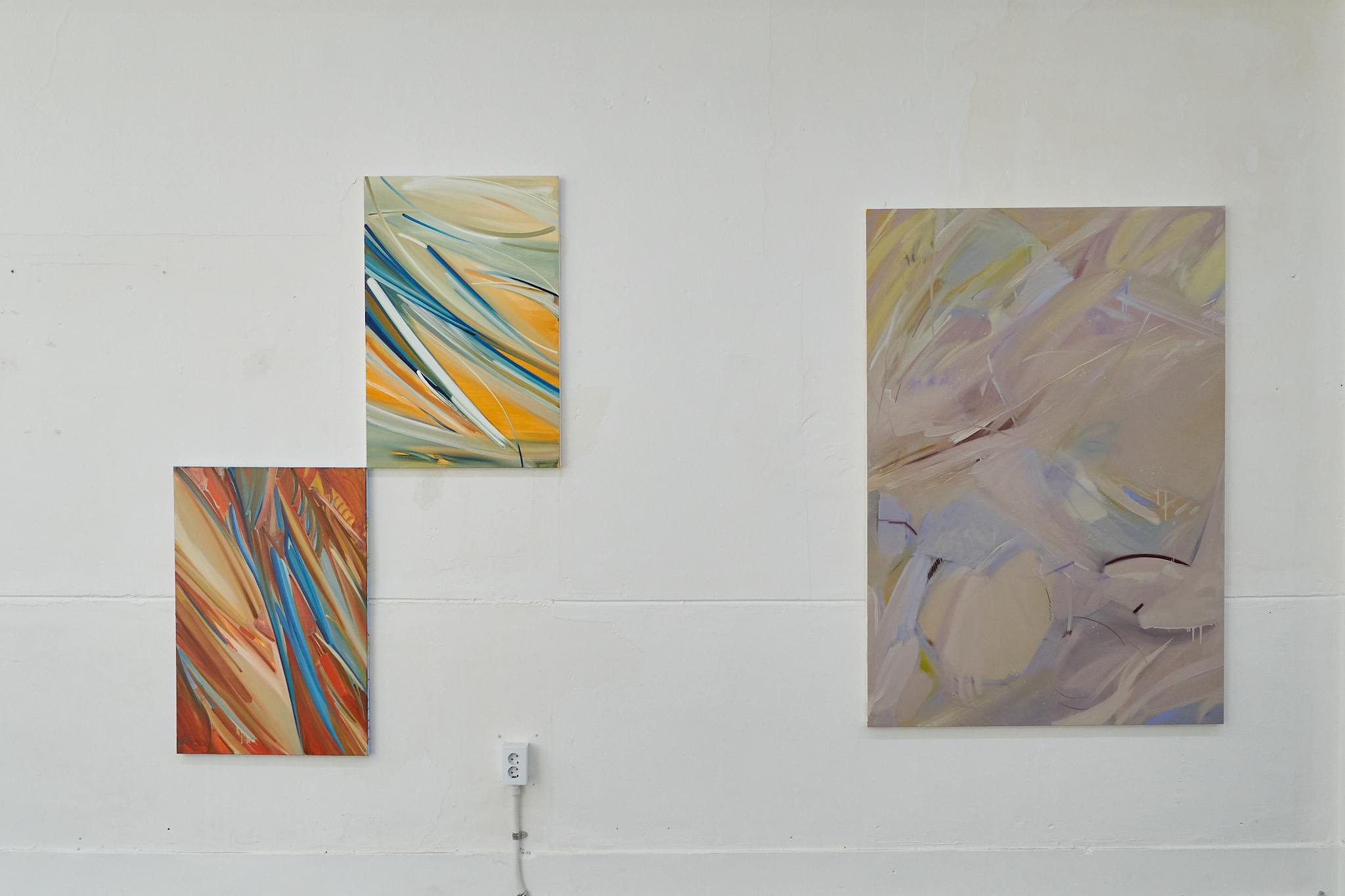
Kim Minzo draws on architectural and infrastructural forms including buildings, roadways, and transport systems. Kim superimposes compositional elements onto represented forms, revealing subtle slippages within the urban landscape. Here, solid forms are recast as living bodies animated from within. Moon Yooso juxtaposes structural lines and irregular color fields, queering the patriarchal grammar of abstraction. Instead of constructing a space that converges toward a vanishing point, Moon unsettles spatial conventions through the rhythm and tactility of the hand. In doing so, painting becomes a site where identity and materiality intersect.
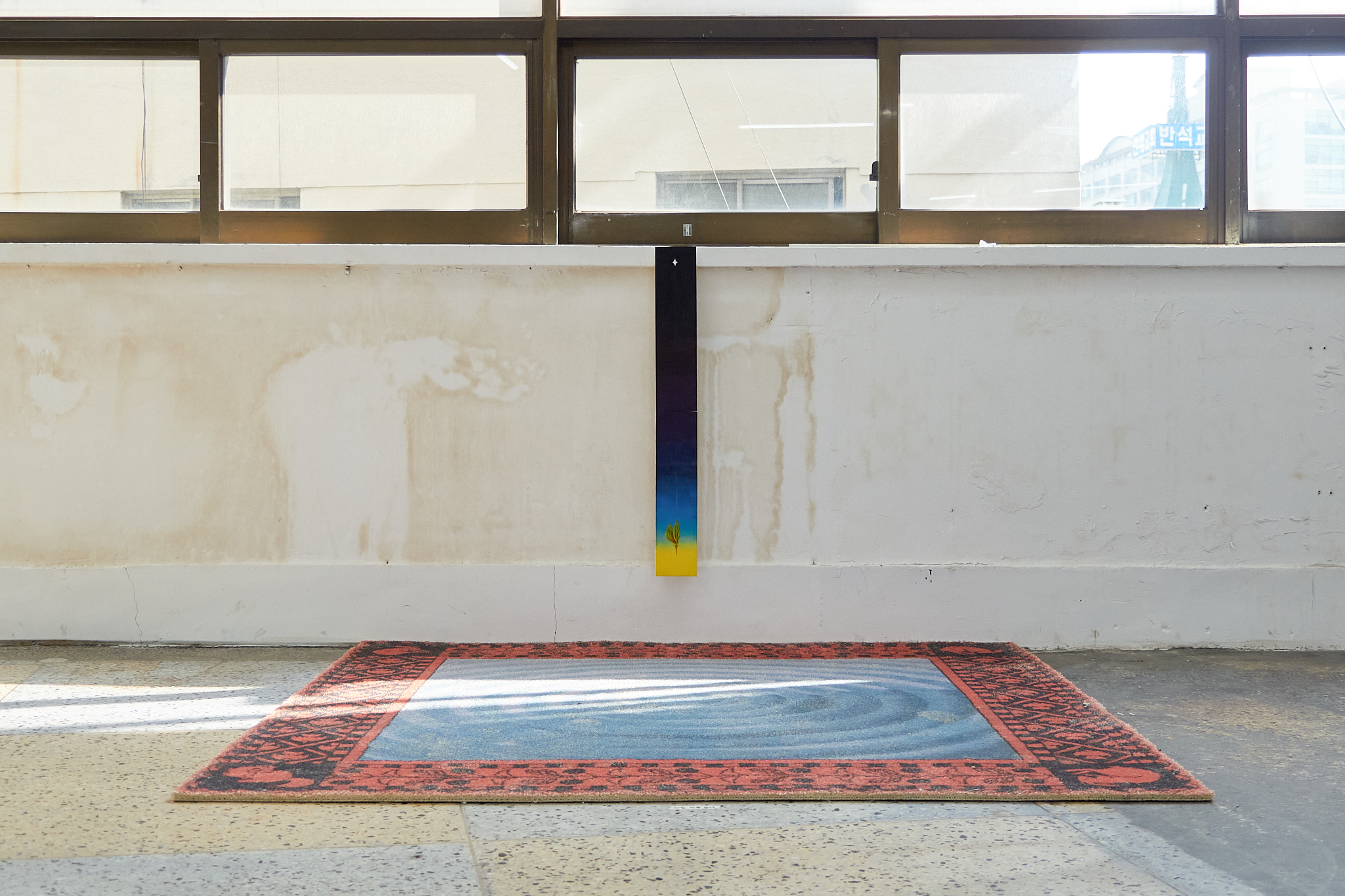
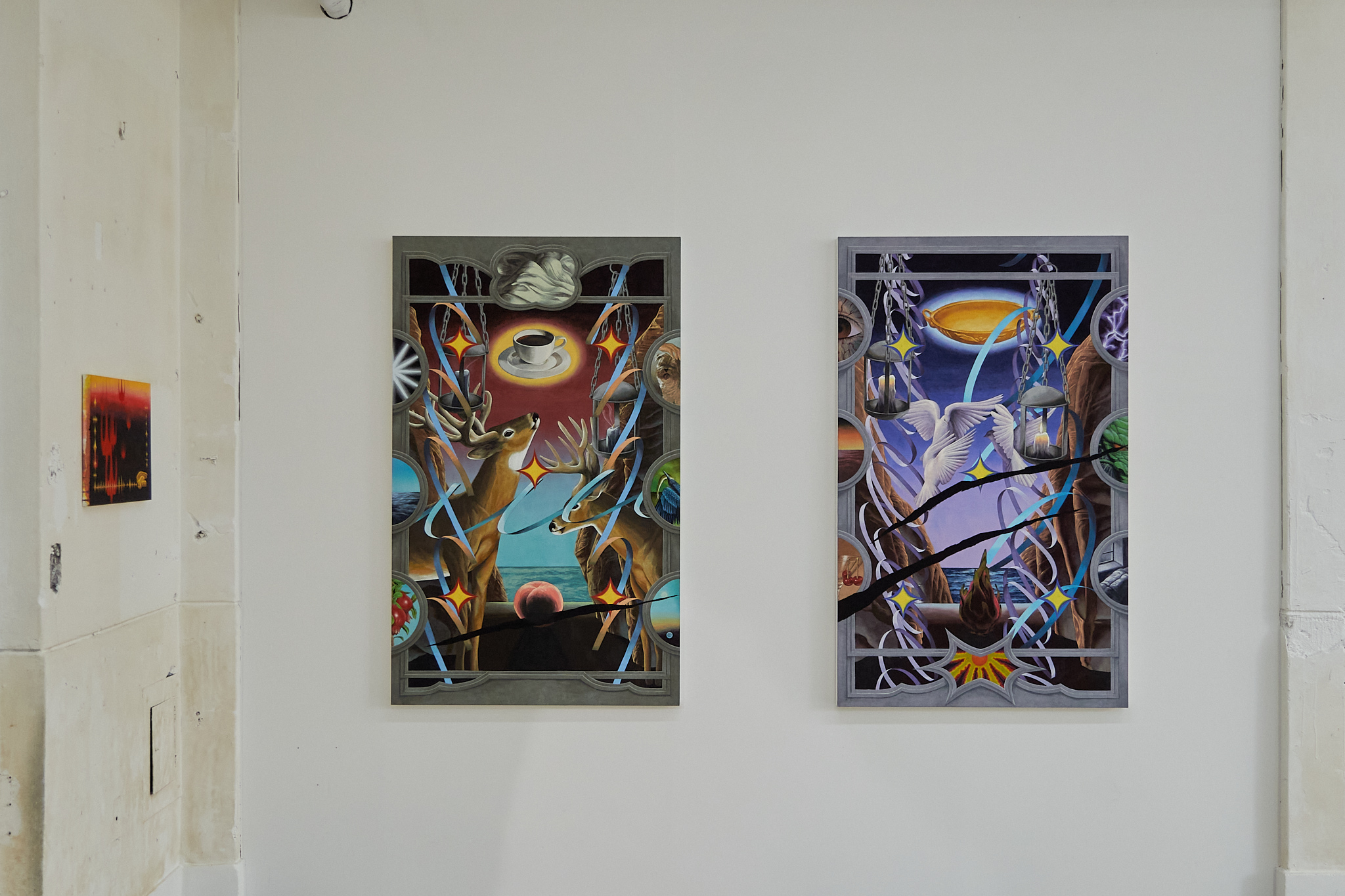
Moon Joohye unsettles the hierarchical orders which relate religious iconography and game narratives. Moon rearranges mythic figures as floating images, producing a sense of disorientation like a glitch in a game. Moon’s work refuses the closure of the image into a fixed sign, allowing it instead to move across registers of sensation and imagination. Park Siwon envisions a fictional world of Flotopia, inhabited by hybrid life-forms that blur the boundaries between plant and animal. Park stitches facial expressions onto discarded objects, weaving fragments of everyday affect into the image. Lee Koz treats the painted surface as a space-time in which memory is interpreted and reconstructed. Attending subtle shifts between memory and the records she continually accumulates, she creates surfaces that are at once flat and deep. Tracking minute changes in sensation, between recurring dreams and the repetitive work of drawing, she dissolves boundaries between inside and outside,
The time space of the material rhythms, in the brushstrokes left by the painter’s hand become a site of communication. Rather than complete and autonomous objects, paintings act as passages, mediating and transforming relations. Where the painter’s time recorded in the painting overlaps with the time where the work enters social networks through exhibition and transits through circulation, painting generates new orders of sensation and frictions with its environment.
These frictions compel us to reconsider painting’s institutional position. In museums and biennials that form the axis of contemporary art critical discourse, painting seems marginalized. Within institutional criticism, painting rarely stands out, yet in art fairs and markets, painting is disproportionately present. Painting in Spring focuses on this disjunction between institution and market. The exhibition approaches painting neither as a commodity nor as a nostalgic form sealed off from social reality. Instead, it reopens the question of painting as a critical medium, one in which contemporary sensibility and social inertia converge on the material ground of the canvas.
Written by Ji Yoon Yang
Translated by eunseo kim