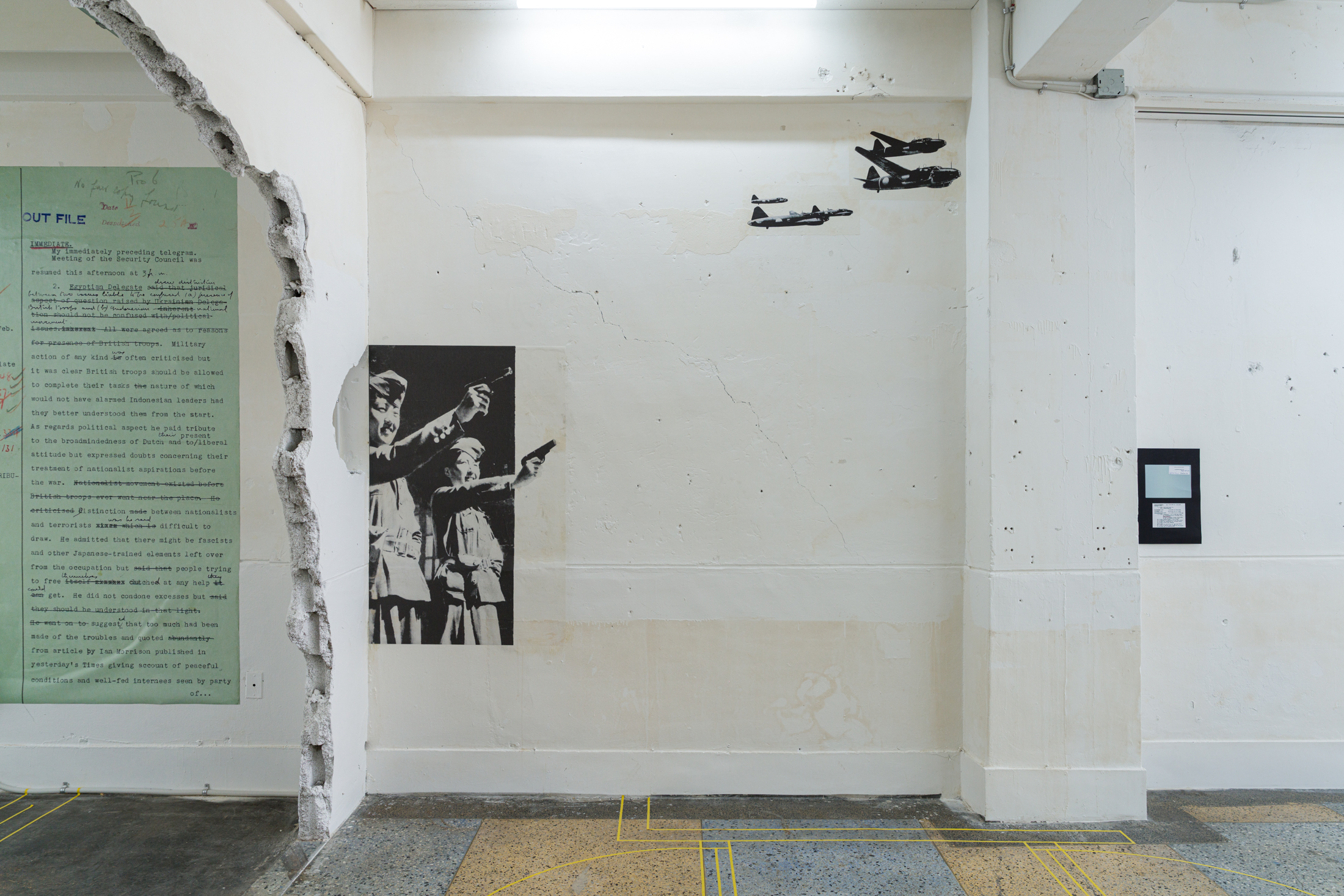
In 2014, Yunnjoo Kwak encountered the documentary film Far from Vietnam (Loin du Vietnam, 1967) at ICA London. In the film, the French filmmakers, known as cinematic activists — critical thinkers: Chris Marker, Joris Ivens and Agnes Varda — criticised U.S. imperialism while leaving France’s own colonial occupation of Indochina unaddressed. Kwak noticed that South Korean soldiers fighting alongside the United States appear only in the background of the film. Kwak noticed that South Korean soldiers appear in the film fighting alongside the United States as marginal figures in a larger narrative. South Korea’s participation was a mercenary force sent in exchange for economic support from the US. Alain Resnais described this as bolstering the US global military campaign against communism. In opening up this marginalized history, the artist draws out persistent colonial power structures and dynamics of cultural imperialism.
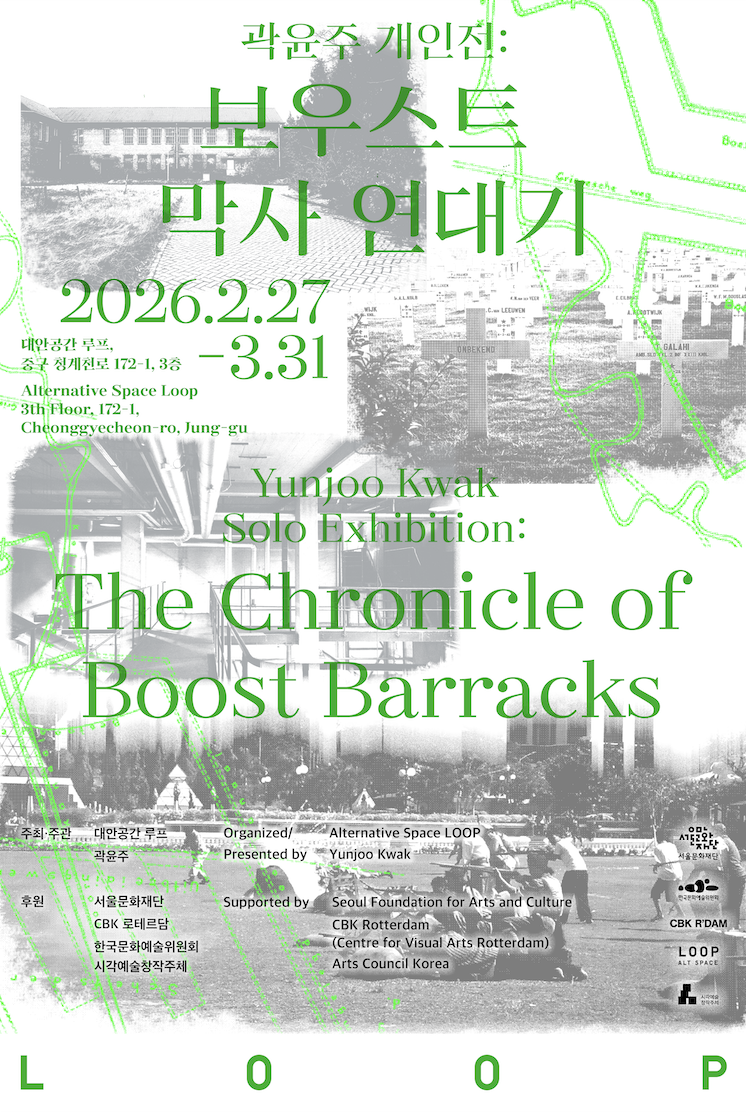
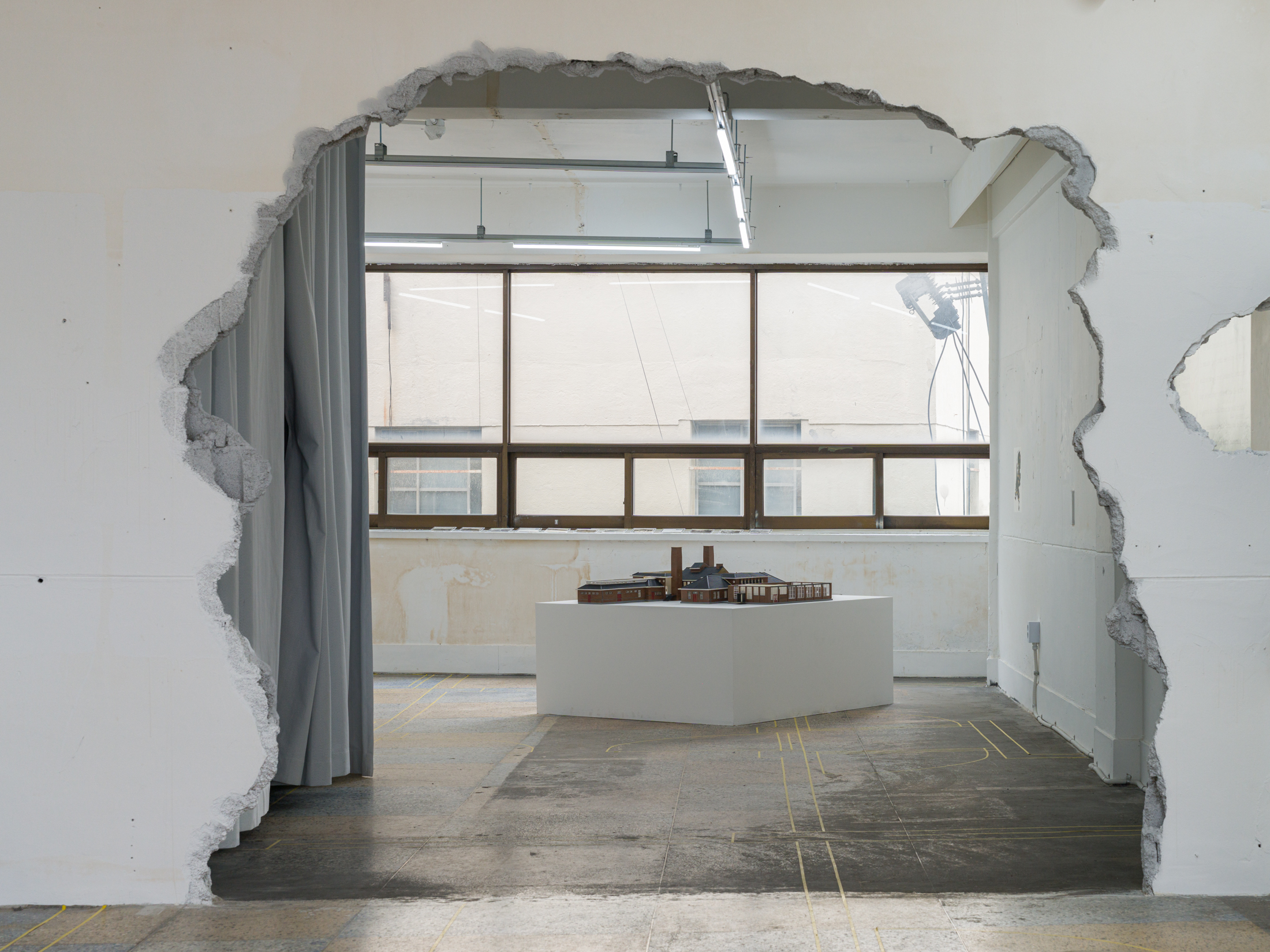
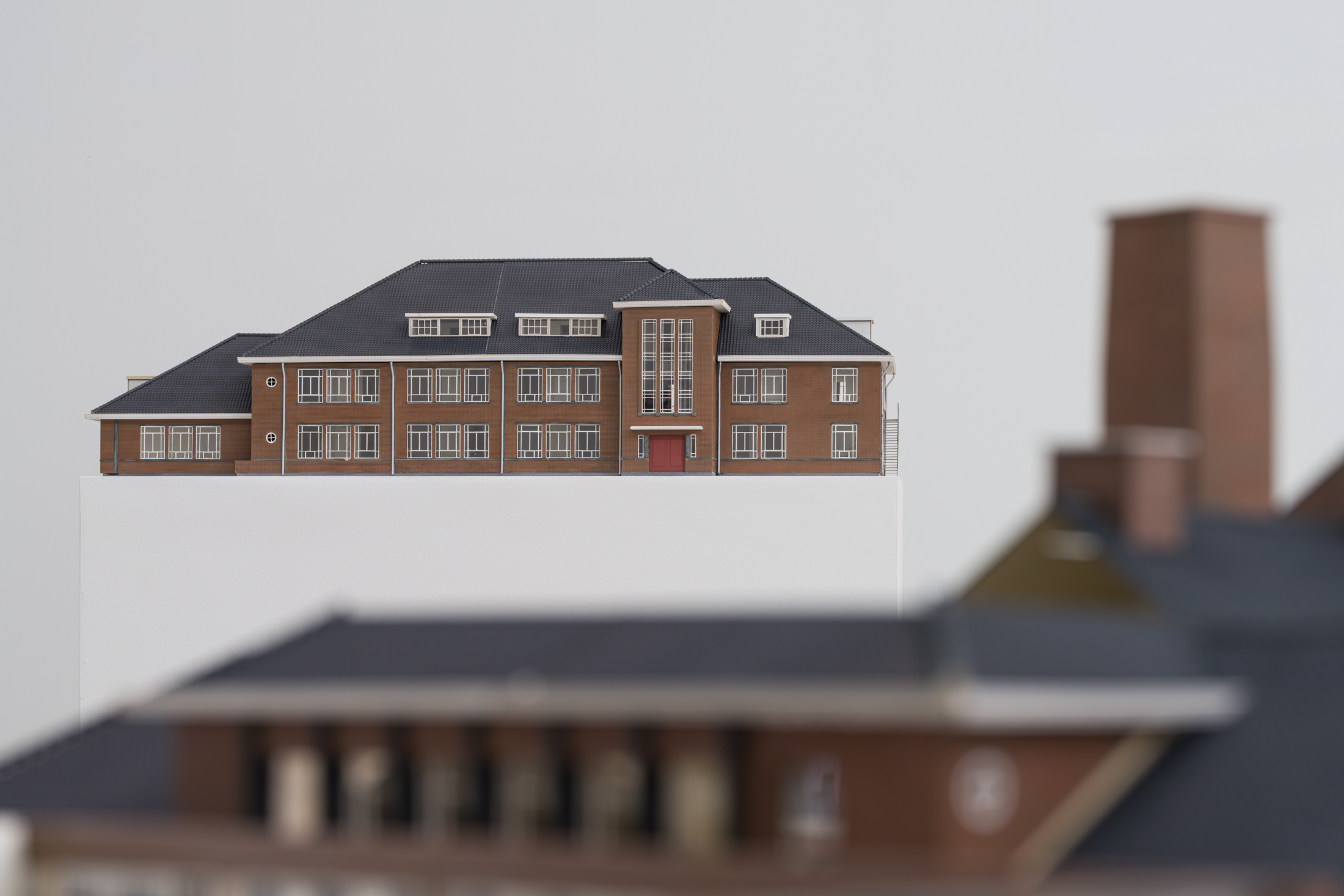
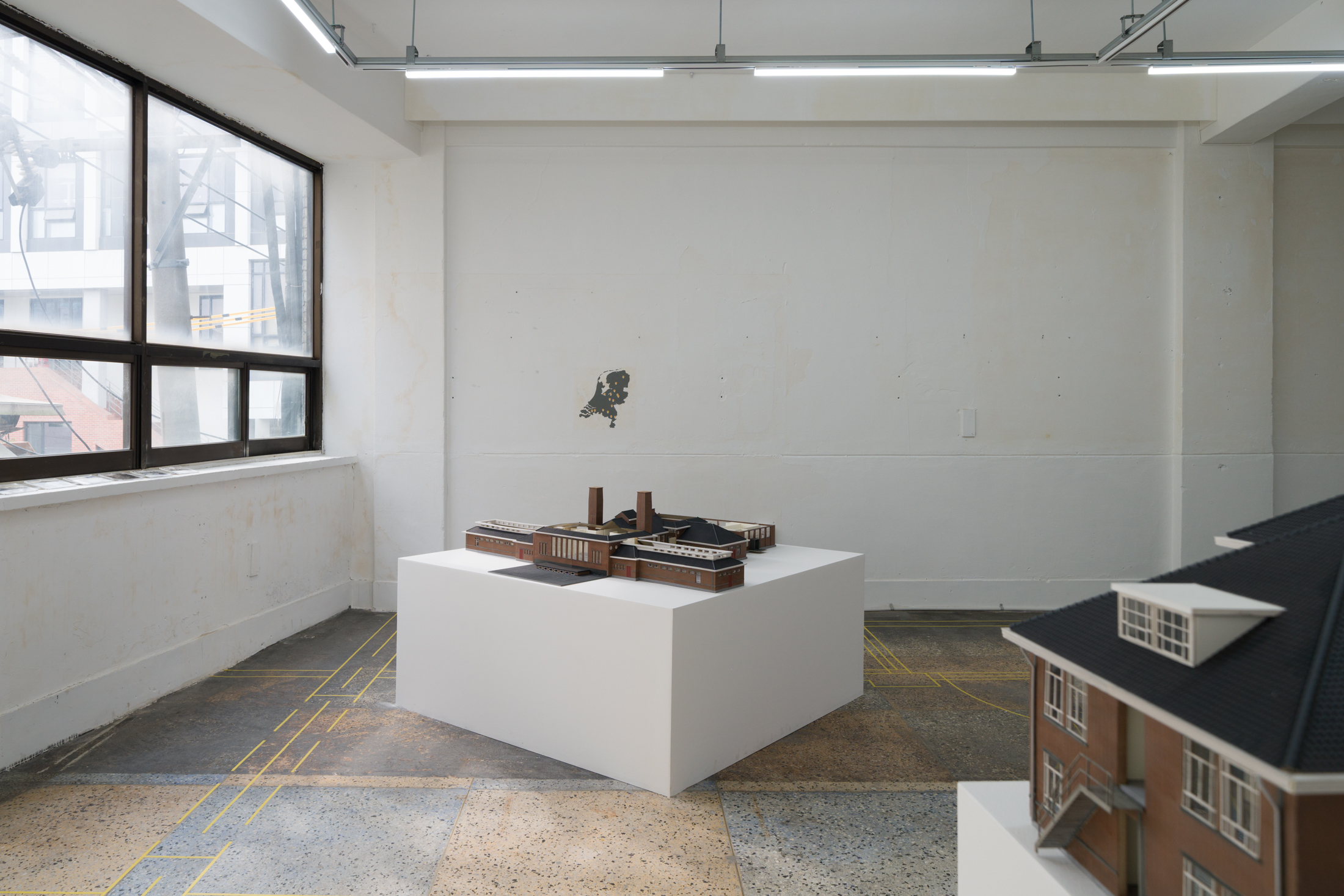
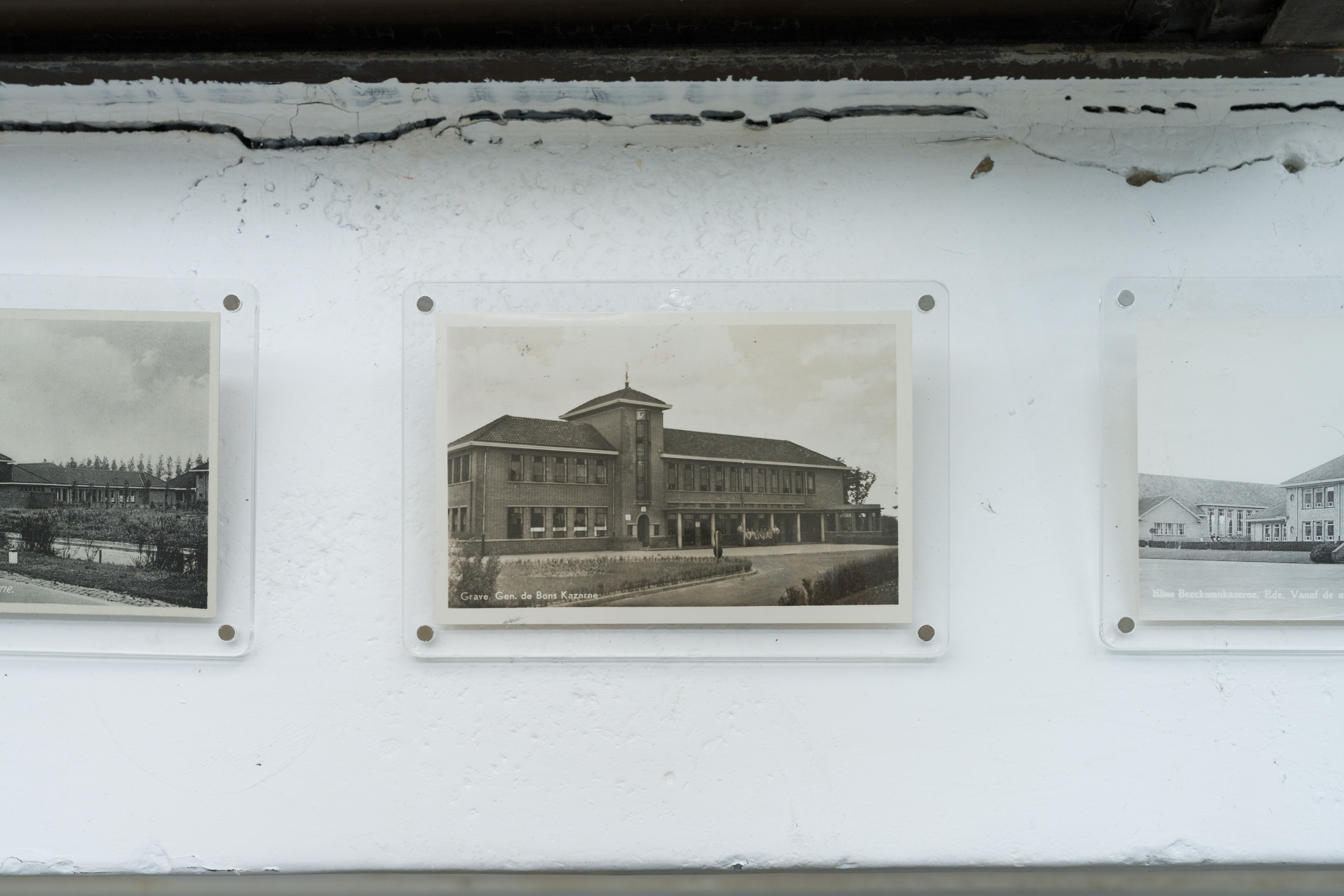
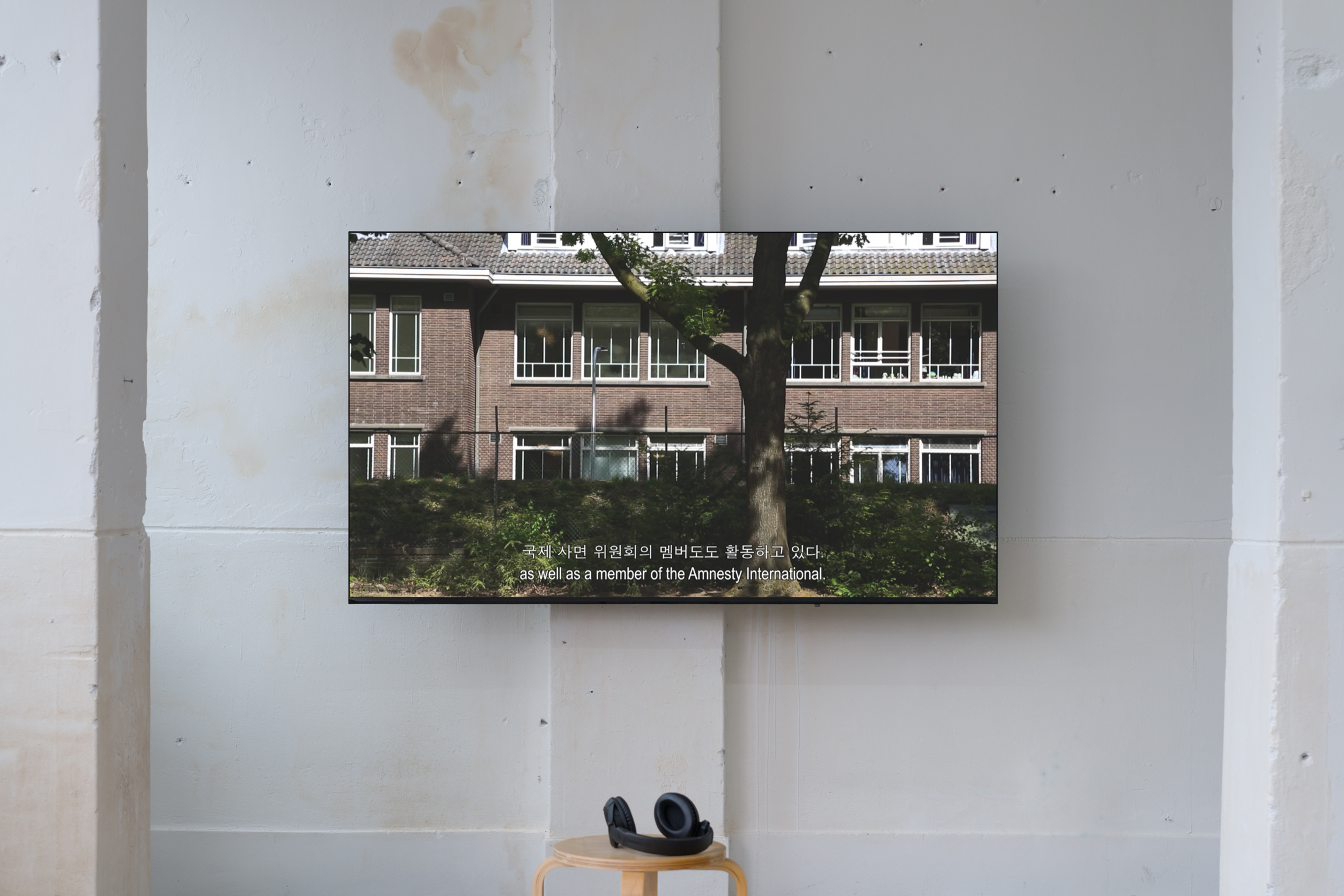
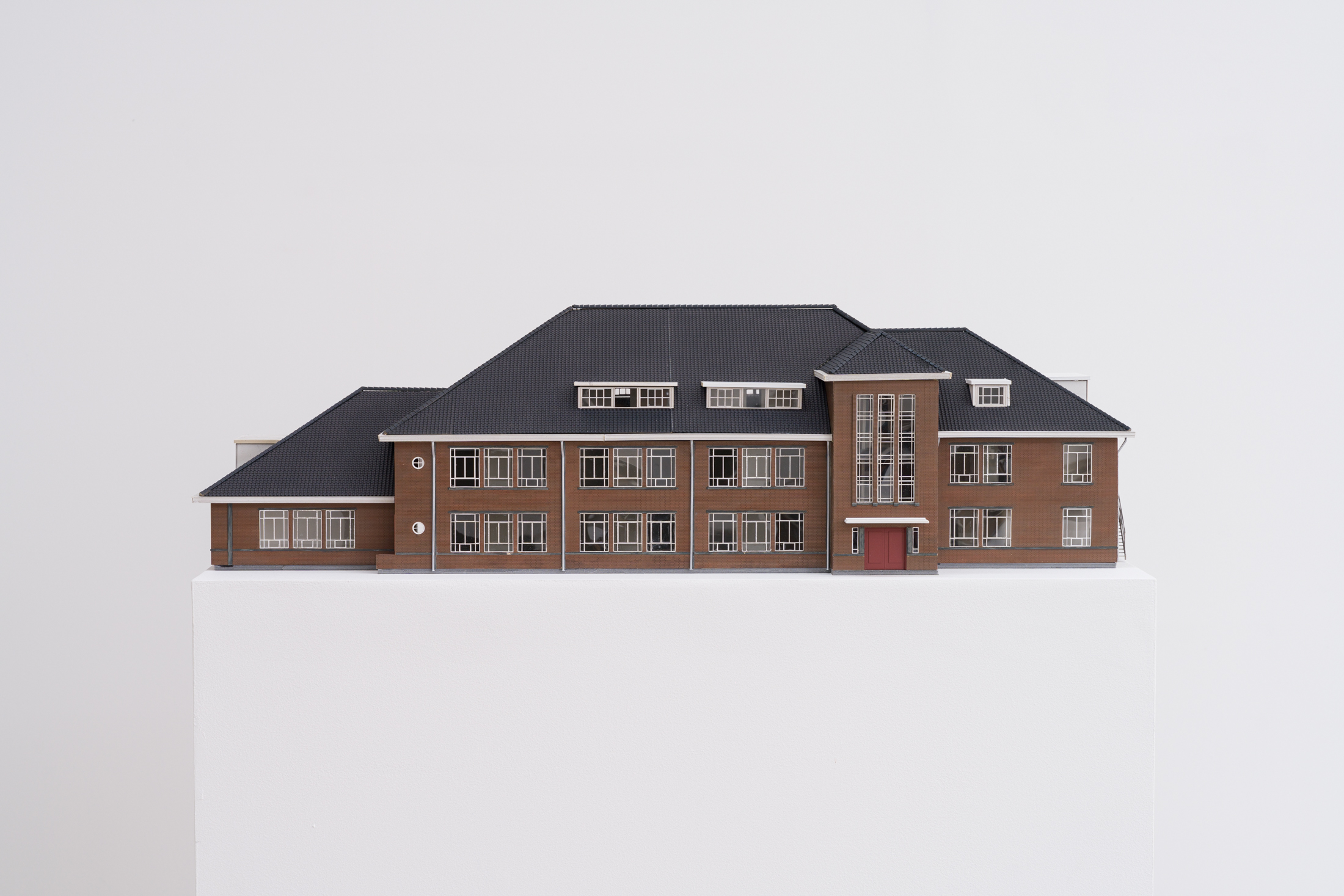
In 2015, Kwak visited an asylum seekers’ centre in the Netherlands to interpret for an elderly woman who had escaped from North Korea. The centre was located in former barracks, called Boost barracks. First designed and built by the Dutch military officer and architect Captain Auguste Boost in 1938, the barracks have been repurposed according to the demands of the times. Hastily constructed across the Netherlands in the late 1930’s to counter Nazi Germany’s expansion, they continued to serve as a training base for the Dutch military after the Second World War. During the post-colonial period, they were training hubs for troops deployed to the Indonesian War of Independence. In the 1950’s, they functioned as staging bases for forces dispatched to the Korean War as part of the United Nations Command, while at other moments during the Cold War they operated as facilities supporting various overseas deployments in the fulfilment of NATO military obligations, Since the 1980’s, the buildings have been used as asylum seekers’ centres, sites where reverberations of war, colonialism, and the Cold War return in the lives of those who are forcibly accommodated there.
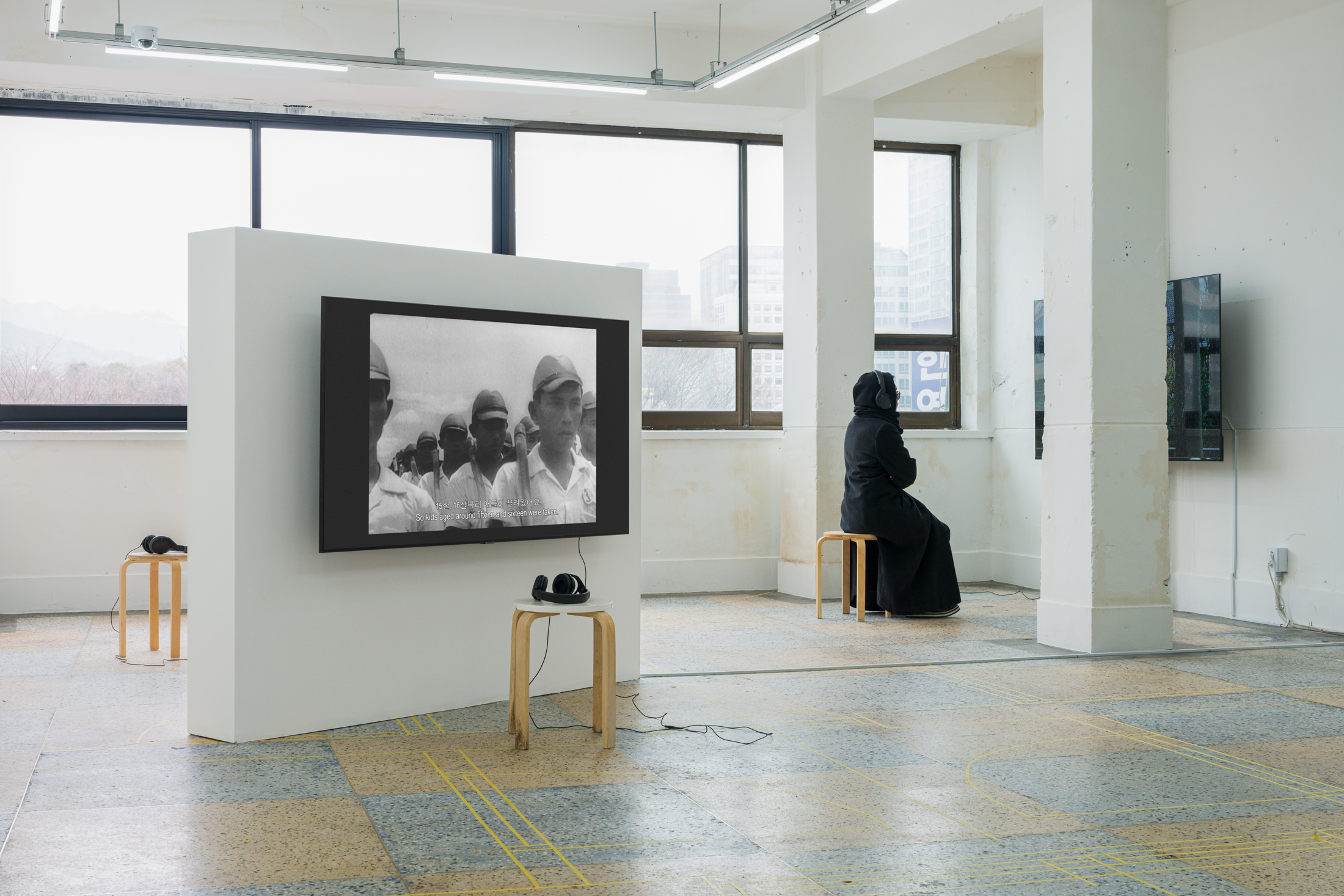
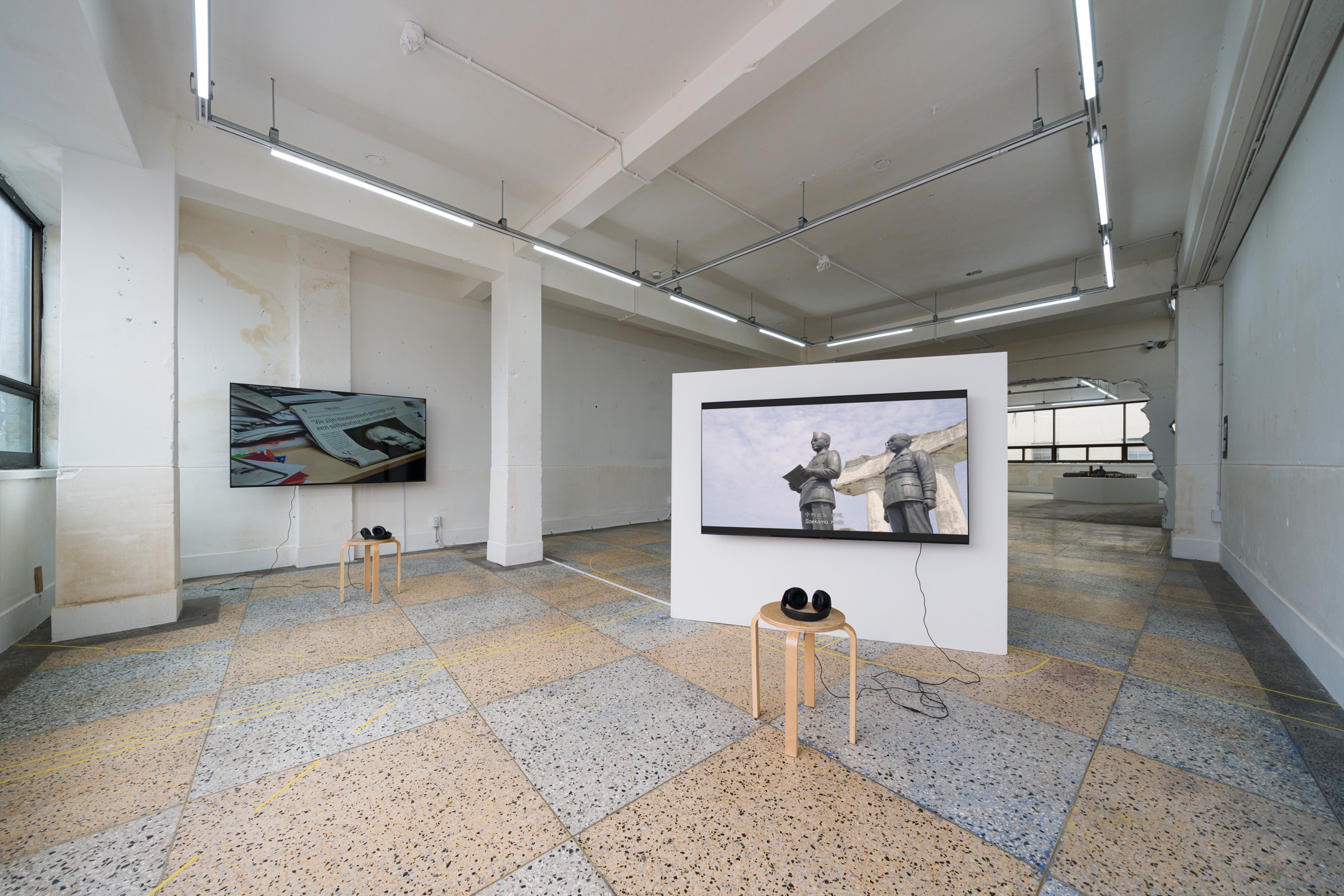
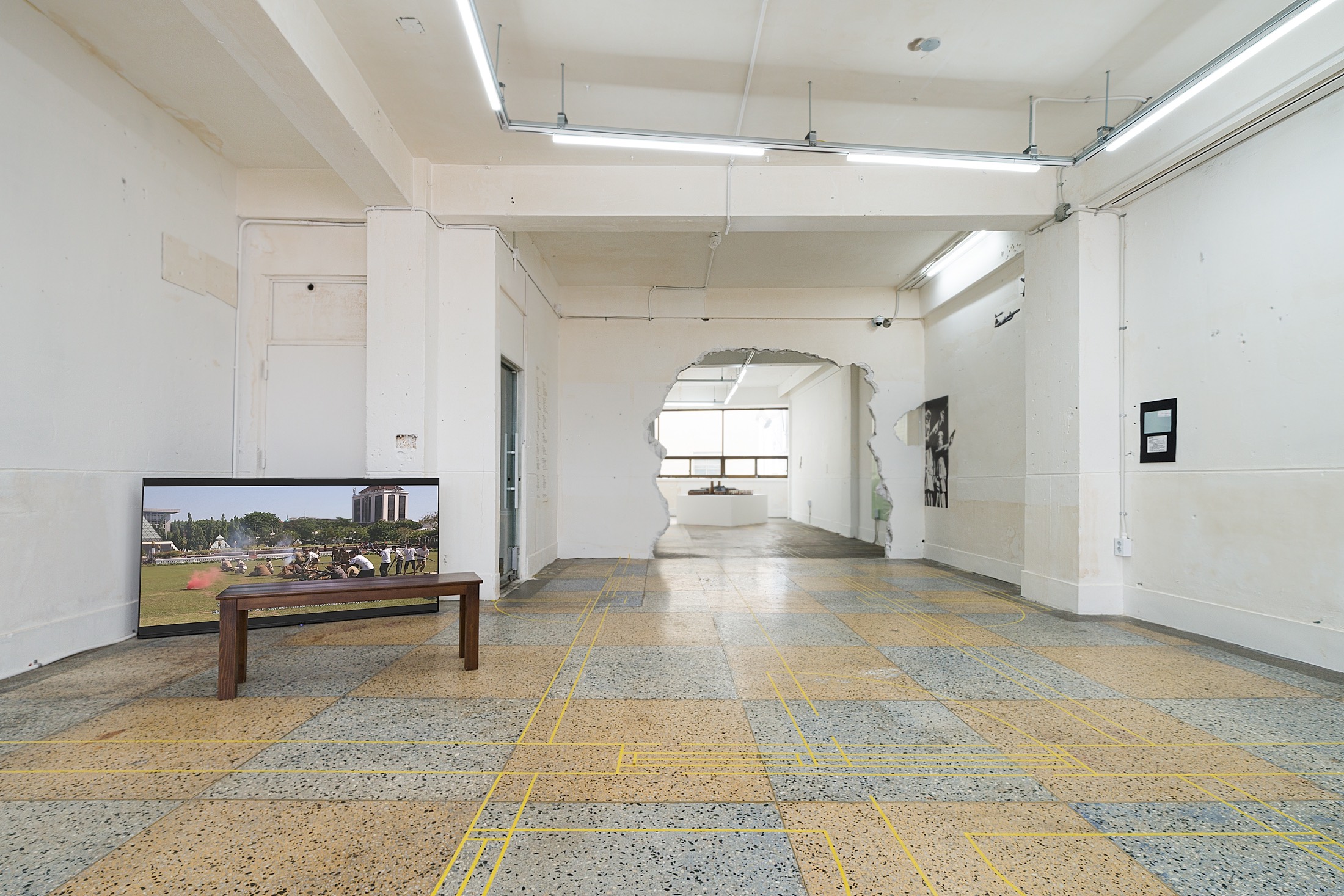
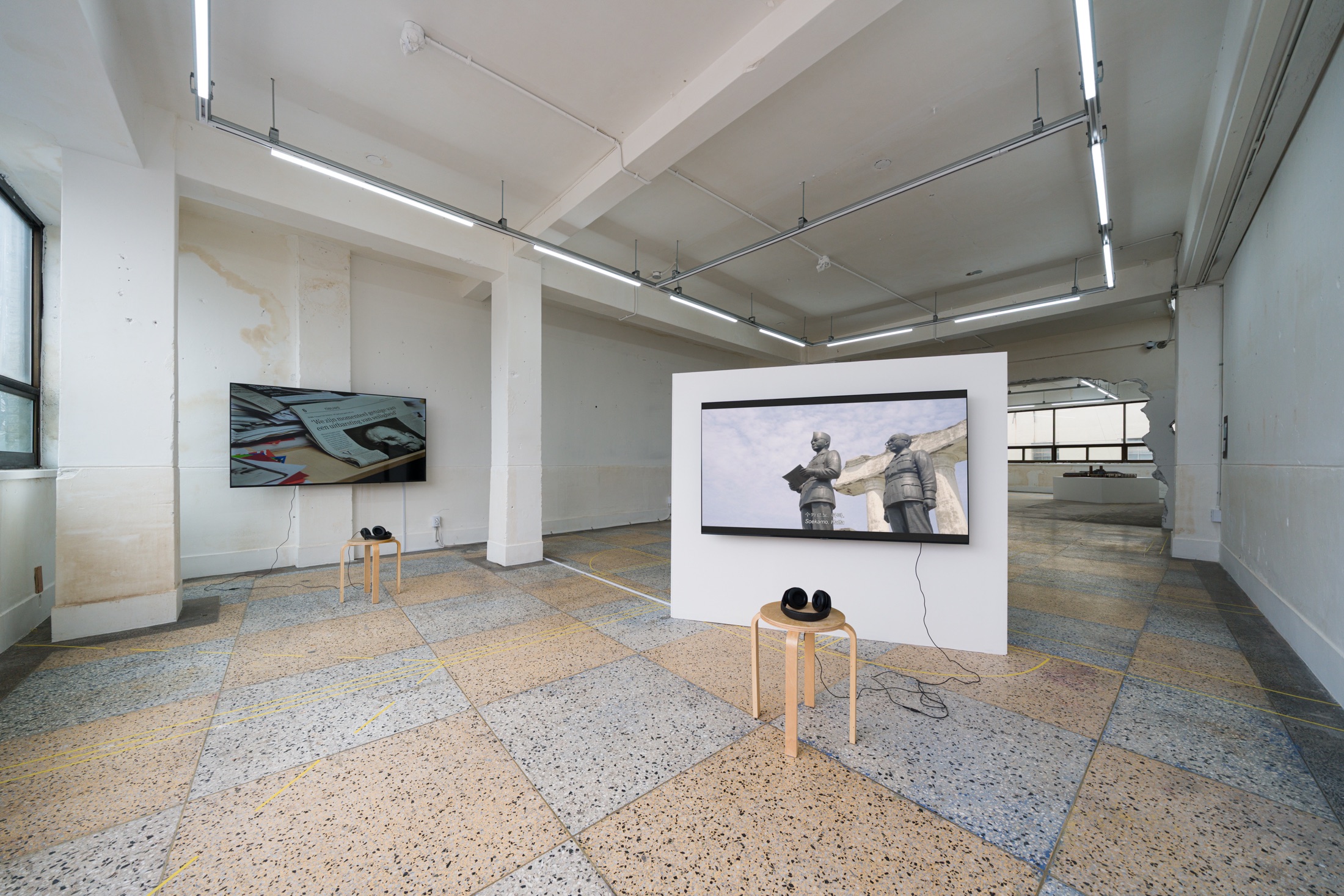
Anchored in the narrative of a North Korean refugee who refuses to resettle in South Korea, The Defectors (2017), unfolds through layers of voices. We hear accounts from a Dutch Christian activist, a Dutch professor of Korean studies and the artist herself. Accompanying the film, the floor plans of the barracks are superimposed on the floor of the gallery with tape, allowing visitors to connect with the experience of the protagonists, by moving through the colonial infrastructure with their own bodies.
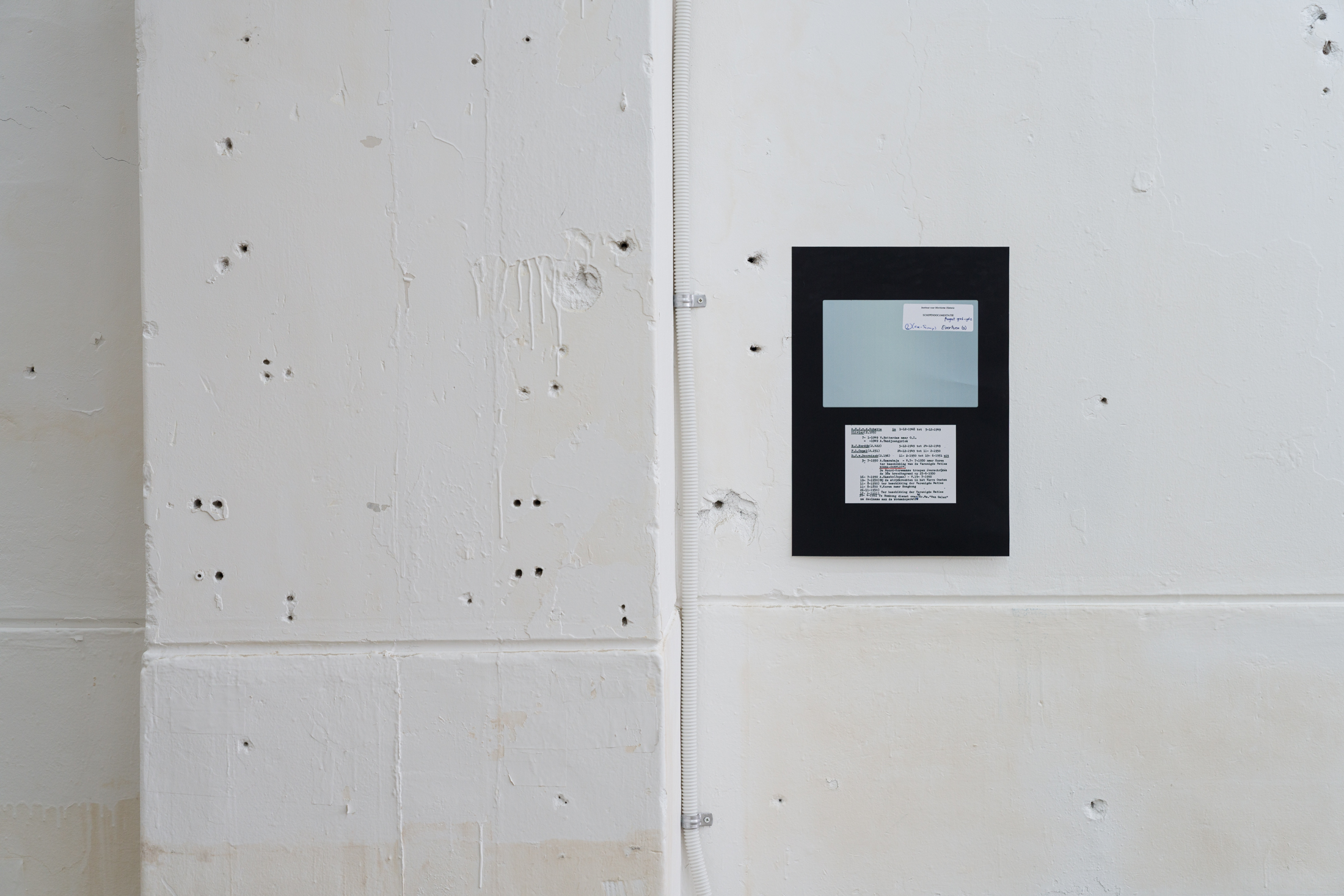
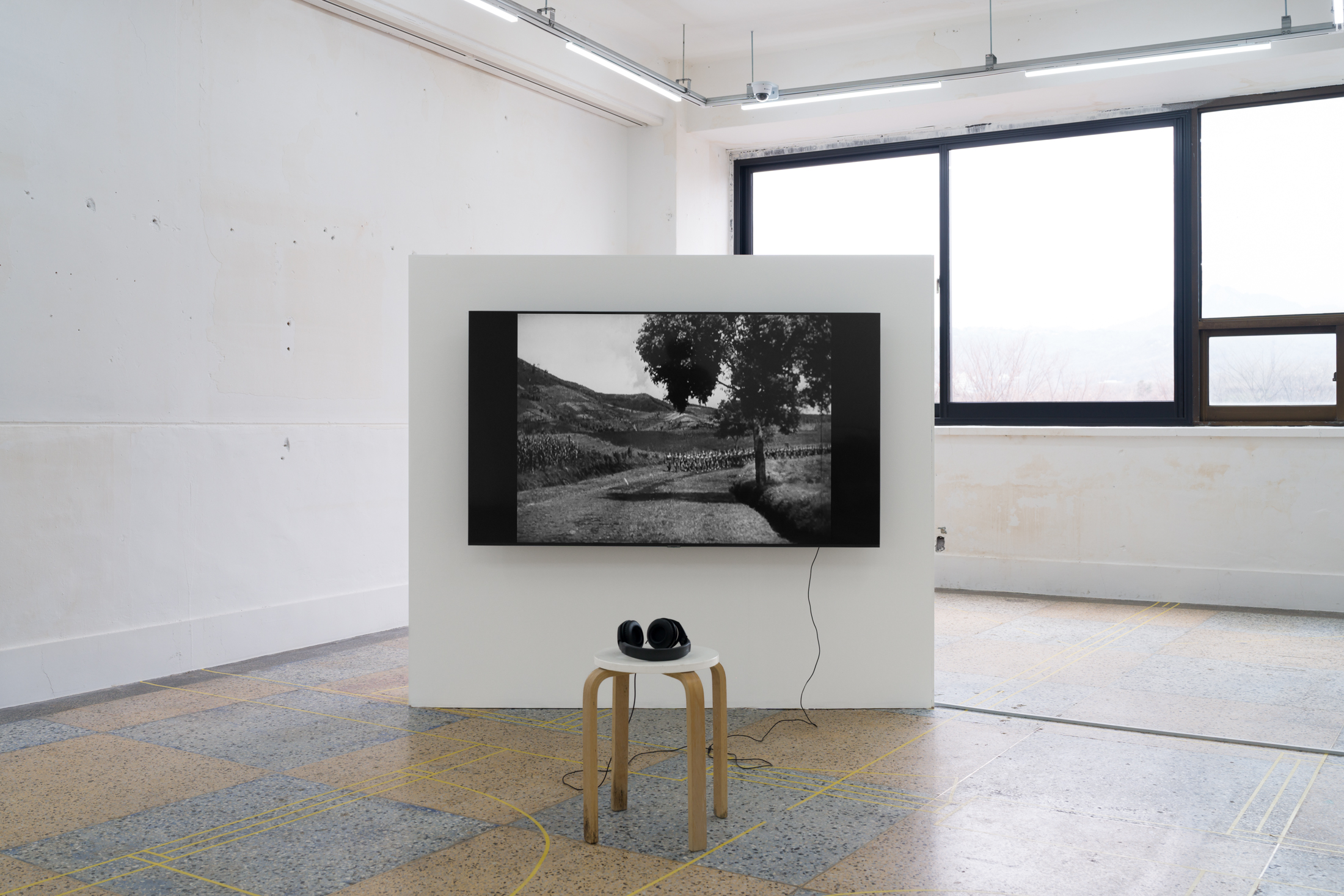
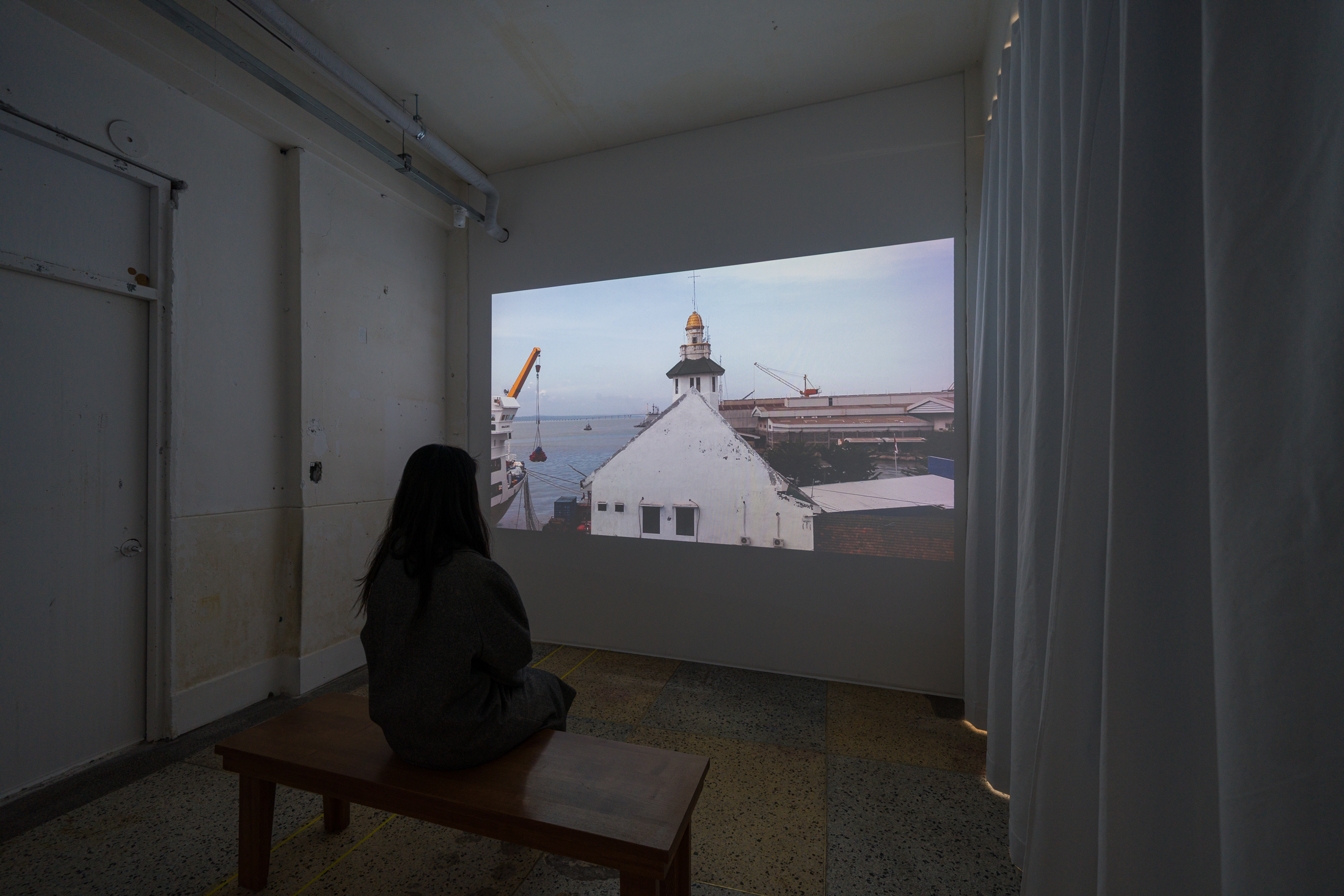
Only The Ports Are Loyal To Us (2020), traces connections between the Netherlands and the port of Surabaya, focusing on the role of maritime mobility in colonial enterprise. Emerging from archival research in the Indonesia-related moving image archives at the Netherlands Institute for Sound and Vision (Nederlands Instituut voor Beeld & Geluid), in this work Kwak brings our attention to how the very form of audiovisual archives are instruments of colonial power themselves. We watch port workers in Surabaya floating between archival footage and contemporary images, a collage across temporalities. They appear to transcend the linearity of colonial history while reminding us that colonial endeavours persist in repetition, continuing to shape our present.
Two guiding characters are present in the exhibition. The first is Peter(b.1954) whom Kwak met while filming at one of the Boost barracks. During the Cold War he served for three years as an audio telegraphist and was assigned to wiretapping duties. He regularly had to transcribe intercepted speech, without knowing what it meant. His role exposes the anonymity built into systems of information gathering and control. The second guiding character is Amad(b. 1925), whom Kwak met in Surabaya in 2018. He testifies to his experience of Dutch colonial infantilisation policies in 1937, when children were made to sing and draw plants instead of learning to read and write Dutch. He also recalls being mobilised in 1941 for the Heiho army, as an auxiliary soldier under the Japanese military, and fighting against the Dutch in the Indonesian war of independence.
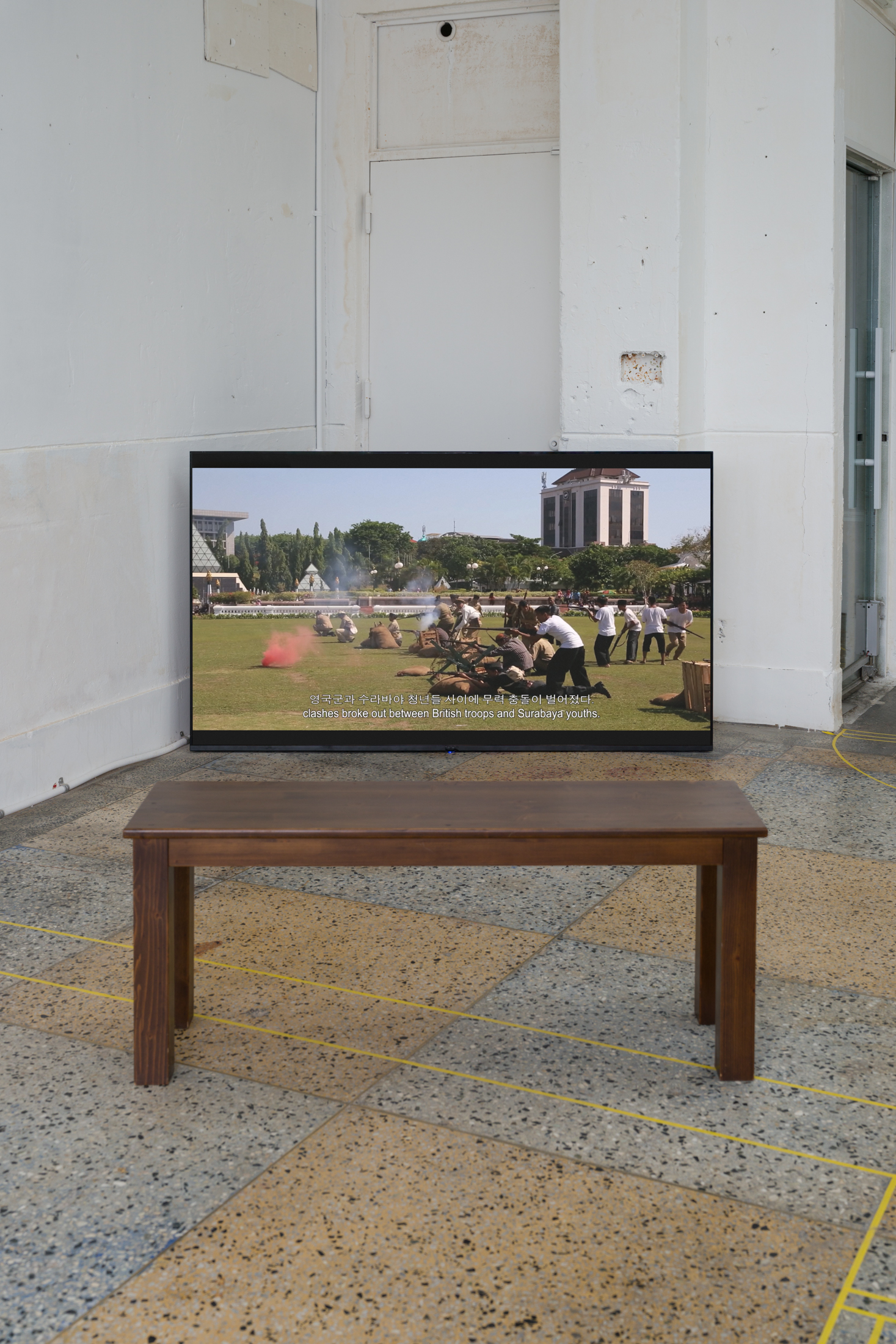
A persistence urge to reinterpretate history becomes more concrete in Holy Territory (2026). Roode Brug, A military community based in Surabaya, reenacts the Battle of Surabaya as a monthly ritual, at the site of the destroyed former Dutch Supreme Court. While the reenactment is meant to commemorate Indonesian independence in 1945, it also risks reinforcing nationalist and patriotic fervor toward the current Indonesian state. In the film, this act of remembering the past is considered for what it means for the present. The ritual is revealed as a method to reinforce, or foreclose, particular ideologies.
Through a critical reflection on the legacy of postwar Western European avant-garde film, Kwak’s exhibition The Chronicle of Boost Barracks adamantly questions how institutional knowledge is structured. Drawing on fieldwork, observation, and the collecting of evidence, she exposes the limitations of postcolonial discourse. Spanning fiction and nonfiction, her essay films revive previously undisclosed identities and repressed memories, restoring silenced voices from epistemic oblivion.
Written by Ji Yoon Yang
Edited by amy pickles
Translated by eunseo kim
Yunjoo Kwak
Yunjoo Kwak is a visual artist based in Rotterdam and Seoul. Her practice is rooted in extensive archival, architectural, and historical research, combined with fieldwork, social engagement and community involvement. She focuses on Dutch military architecture as a liminal space, showing how it carries colonial legacies, reflects Cold War–era traumas, and connects overlooked histories across different geographies through visual narratives.
Through video essays, photography, digital montage, and archival installations, she delves into layered questions of history, social exclusion, migration, otherness, and spirituality. She creates spaces of empathy where voices and memories excluded from official narratives can reside, weaving together personal and collective memory. She situates her practice in the space between documentation and evocation, where fragile stories resonate and yet unnamed, possibilities quietly emerge.